The cough arrives after midnight, leaves by breakfast, and returns after a cold walk. Because you feel fine between episodes, you keep putting off the question of why it happens.
Adult asthma symptoms can come and go. A cough that keeps coming back needs a check, even if you did not have asthma as a child. Other problems can look much the same.
Ask a doctor to help find the cause rather than giving it a name on your own.
Notice the pattern around the cough
Asthma can cause wheezing, a tight chest, trouble catching your breath, and a nighttime cough; signs may change with exercise, cold air, a cold, or things you are allergic to. This pattern is a clue, not proof. Other health problems can look the same or occur at the same time.
Note what happened before the episode, how long it lasted, and whether sleep or normal activity was affected. A brief phone note is enough to begin.
Do not assume wheezing must be present every time. Do not assume a cough alone proves asthma, either. Both shortcuts can lead you away from the right explanation.
Tell the doctor about smoking, vaping, workplace fumes, pets, dampness, and recent infections when relevant. Also bring your medicine list.
If symptoms improve on days away from work, mention that pattern early. It may change which tests you need. You do not need to prove the cause before you tell the doctor what you have seen.
Expect a check of breathing, not just a label
A doctor will ask about your health and listen to your chest; a test called spirometry may measure how air leaves your lungs; you may do the test before and after a drug. The doctor looks at the whole picture. You may need more tests or a repeat visit.
Ask whether any medicines should be paused before a breathing test. Follow the clinic’s specific directions rather than stopping inhalers on your own.
You blow into a device while a staff member guides you. Say if you feel dizzy or find a step hard. How you do the test can affect the result.
If your test is normal, ask what happens next when symptoms keep returning. A day when you feel well may not show what goes wrong at other times.
Our Conditions & Prevention section offers more context for common health concerns. Use it to help form questions. A list of signs alone cannot tell you why you feel unwell; an exam and the right tests may help.
If you have asthma, learn your care plan
An asthma action plan tells you what to do each day and when breathing gets worse; good inhaler technique helps drugs reach your lungs. Ask a trained staff member to watch you use it. Review the plan when drugs, signs, or needs change, so it still fits your life.
Inhalers are not all used in the same way. Some drugs help control asthma each day. Some plans use a certain drug to ease signs when they start.
Follow your own plan rather than copying a friend’s routine.
Ask what to do if you need relief drugs more often. Do you wake at night, skip things you enjoy, or run out of drugs early? Tell the care team.
Check refill dates and when the drug expires. Make sure you can use the device and know whether a spacer is part of your prescription.
Do not borrow someone else’s inhaler to test whether you have asthma. Feeling better after a borrowed drug does not prove the cause. It may put off the care you need.
Know when breathing trouble is an emergency
Get emergency help if breathing is very hard, you cannot speak full sentences, your lips turn blue or gray, or you feel confused; get help if your rescue plan does not work. Do not wait for a booked visit. Follow your own action plan while someone helps you get care.
Even without an asthma plan, severe new trouble breathing needs urgent care. Asthma is only one of the things that can cause it.
For ongoing care, ask how to manage triggers without giving up all activity. Many people can remain active with a suitable treatment plan and guidance.
Keep the home and workplace discussion useful. Avoid smoke, address dampness when possible, and discuss exposures you cannot easily control rather than accepting repeated symptoms as normal.
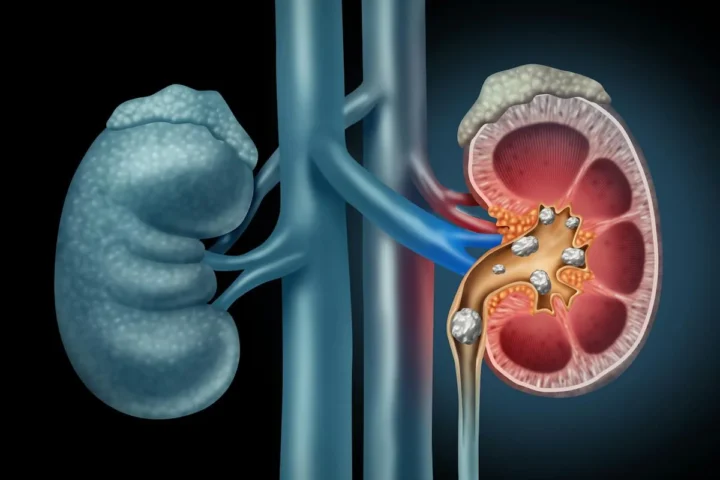
For a different prevention topic, read kidney stone prevention tips. Each condition needs its own check and plan. The shared habit is to leave a visit knowing what to do daily, what to watch for, and when to get help sooner.
Frequently Asked Questions
A cough that comes and goes can raise questions about age, exercise, and tests; these answers may help you prepare for a visit. Get emergency help for severe trouble breathing. Book a check if signs keep coming back, wake you at night, or stop you doing things you once did.
Can asthma start in adulthood?
Yes. Not having asthma as a child does not rule it out later. A doctor can assess new symptoms and consider other likely causes.
Does a nighttime cough always mean asthma?
No. Reflux, nose and throat problems, drugs, and other things can cause cough too. Tell a doctor about the pattern so you can plan the right checks.
Should I stop exercising if I have asthma?
Not automatically. Ask about safe activity and how to use your treatment plan. If breathing limits what you can do, ask for a review rather than simply giving up activity.
Sources and further reading: Santé Magazine — topic and image source, Medical reference 1.
For general information. This article does not replace personal medical care.