A container can smell perfectly normal and still hold food that is unsafe to eat. Your nose cannot reliably detect the germs that cause illness. Knowing how long are leftovers safe starts with time and temperature, not a cautious sniff over the refrigerator door.
For many cooked leftovers, US food safety guidance recommends three to four days in a properly cold refrigerator. That clock only helps when the food was handled safely from the start.
Start the clock before the food reaches the fridge
Refrigerate perishable leftovers within two hours of cooking or serving, or within one hour when the surrounding temperature is above 90 degrees Fahrenheit. Time spent on the table, in the car, or at a picnic matters. Refrigeration cannot undo unsafe handling that has already allowed germs to multiply.
At a family dinner, the serving dish may sit out while people return for seconds. Set aside food you plan to save early, using clean utensils and containers, rather than waiting until the evening ends.
Do not leave a large pot on the counter for hours to cool completely. Divide the food into smaller amounts so it can cool more quickly under safe conditions.
Food poisoning can affect anyone. But older adults, pregnant people, young children, and people with weakened immune systems can face more serious consequences. Build habits that protect the whole household.
Cool food in containers that help
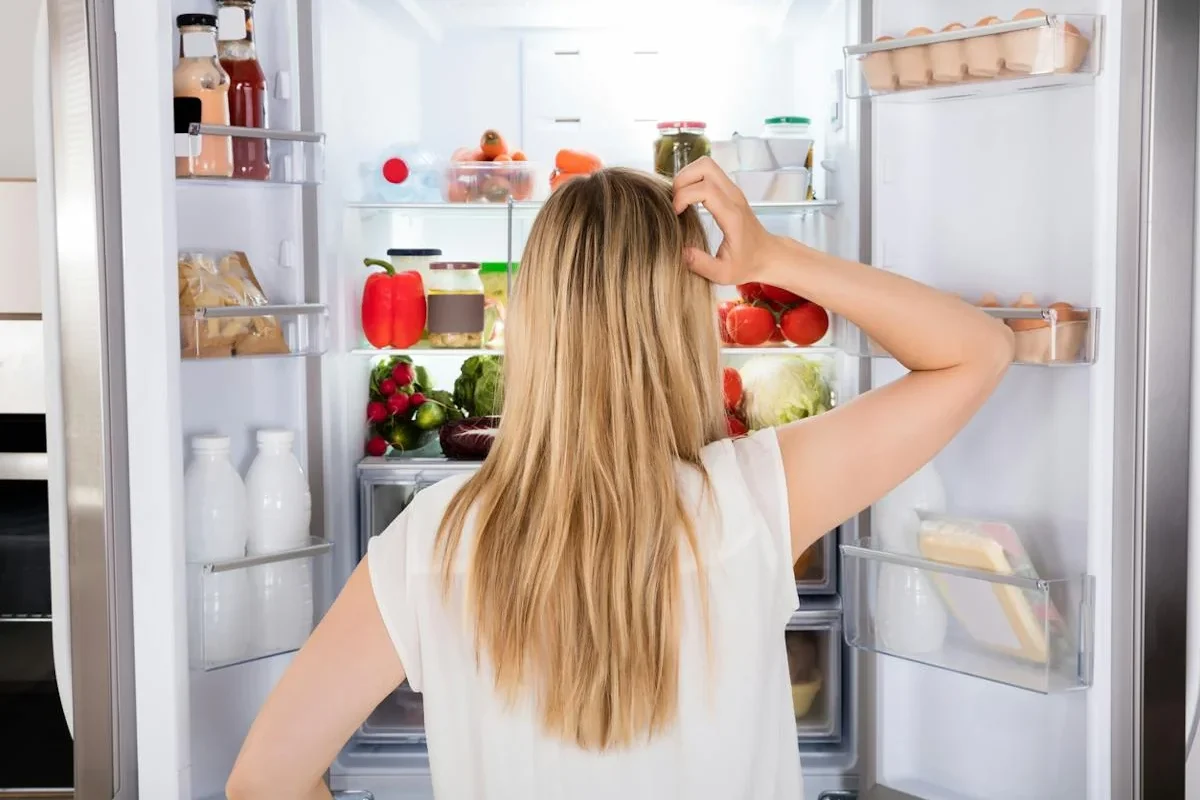
Large amounts of food cool slowly, especially in deep pots or crowded containers; divide leftovers into shallow containers and refrigerate them promptly. Keep the refrigerator at 40 degrees Fahrenheit or below. A separate appliance thermometer helps confirm the actual temperature instead of relying only on a numbered dial.
Use shallow containers for soup, rice, pasta, and other cooked foods. Label each container with the date so an unfamiliar box does not become a guessing game three days later.
Leave enough room for cold air to circulate. A refrigerator packed tightly with warm dishes may struggle to maintain its intended temperature.
Check refrigerator temperature after a power problem or if food seems warmer than usual. A cold feeling against your hand is not an accurate measurement. If you do not know how long food has been too warm, consult food safety guidance and discard it when safety is uncertain.
Use or freeze leftovers within the safe window
Many cooked leftovers should be eaten or frozen within three to four refrigerated days. Different foods can have specific storage guidance, so check the relevant instructions when unsure. Freezing food while it is still safe preserves an option for later; it does not repair food kept too long.
Make the next meal decision when you put the food away. If you already know you will not use it during the safe window, freeze a portion promptly rather than waiting until the last possible evening.
Choose containers suitable for freezing and leave appropriate space for liquids to expand. Add a label with the food name and date.
A simple refrigerator shelf for soon to be used food can reduce waste. Move safe leftovers into view, plan a lunch around them, and avoid stacking new groceries in front until they disappear from memory.
Reheat with a thermometer, not a guess
US guidance recommends reheating leftovers to 165 degrees Fahrenheit; stir and rotate food when using a microwave, cover it appropriately, and allow any recommended standing time. Check several places because a steaming edge can surround a colder center. Bring reheated soups, sauces, and gravies to a rolling boil.
A food thermometer is especially useful for dense dishes, stuffed foods, and uneven portions. Clean it between uses according to its instructions.
When reheating leftovers, take only the amount you plan to eat. That makes serving easier and limits repeated handling of the entire container.
Do not assume reheating will destroy every hazard created during poor storage. Some toxins can remain even after food is heated. Food that sat out too long belongs in the trash, not in a hotter pan for a rescue attempt.
Make safe storage easy on busy days
The best leftover system is simple enough to use when you are tired; keep suitable containers accessible, label food immediately, and plan one meal that uses safe leftovers. Store raw meat separately to prevent drips onto ready to eat foods. Clean hands, utensils, and surfaces remain essential throughout preparation.
A restaurant meal needs the same care as a home cooked dinner. If the trip home includes long errands, a takeout box may spend too much time warm. Use a cooler when appropriate or change your plan.
Keep a short list on the refrigerator showing what needs eating first. A household can share the task of checking dates instead of leaving one person to remember everything.
When there is doubt about unsafe storage, choose safety. Throwing away one container is frustrating. But eating it is not a useful way to recover its cost.
Frequently Asked Questions
Leftover decisions should combine storage time, temperature, and the type of food. Smell, appearance, and a small taste cannot prove safety. Follow product instructions and official storage guidance, and use extra care when preparing food for someone who is more likely to become seriously ill from foodborne infection.
Can I put warm food in the refrigerator?
Yes, appropriately portioned hot food can go into the refrigerator. Divide large batches into shallow containers rather than leaving a deep pot out to cool for hours.
Does freezing reset old leftovers?
No, freezing does not make unsafe food safe. Freeze leftovers while they are still within a safe storage period and have been handled properly.
Is five day old cooked rice safe if it smells fine?
Smell cannot establish safety, and five days exceeds the general three to four day refrigerated leftover window. Discard it rather than relying on reheating.