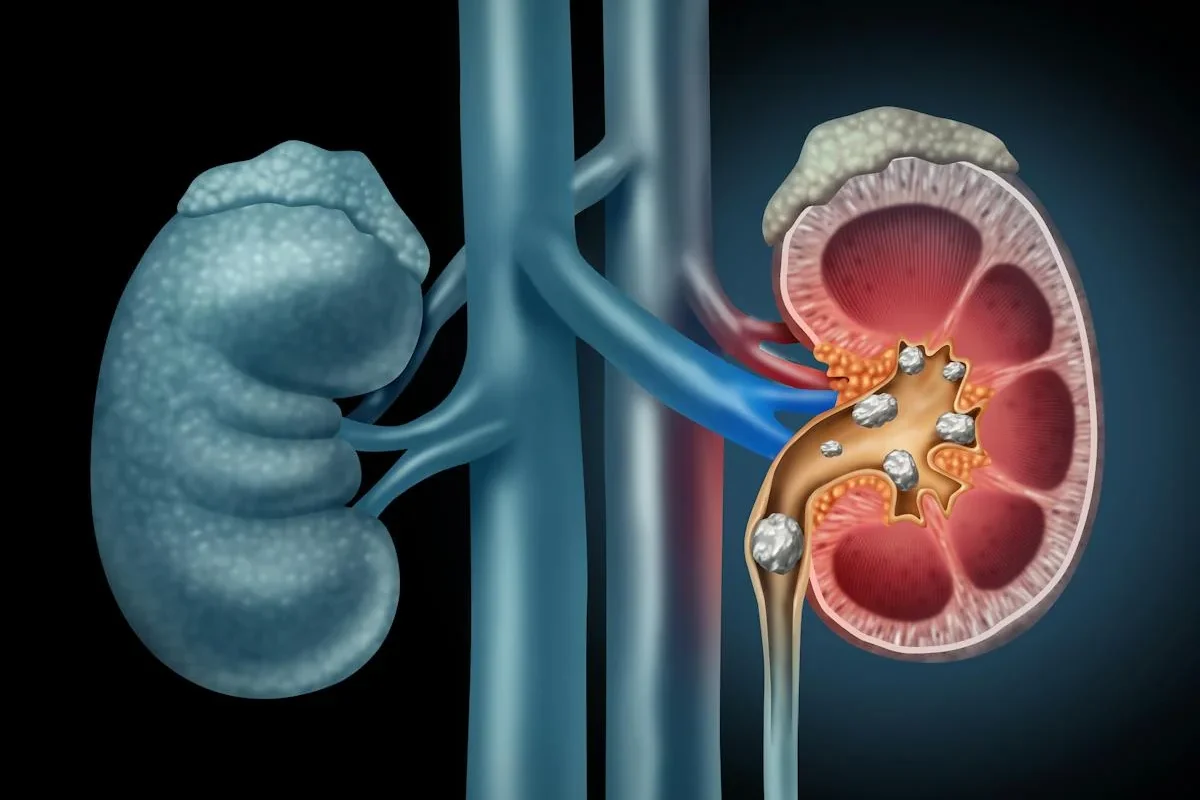
After the pain passes, it is tempting to make a food blacklist and never think about the stone again. Yet the type of stone can change which advice is useful.
Kidney stone prevention tips work best when they start with your own results. Water, salt, calcium, and other foods may all belong in the discussion, but the right balance is more useful than a long list of things you are afraid to eat.
Start by asking what kind of stone you had
Stone analysis or urine testing may help show which changes could lower your risk; calcium oxalate, uric acid, and other stones do not all need the same food plan. Ask what kind you had. Advice based on your stone and health is more useful than a long food ban list.
If you pass a stone, ask the care team whether and how to collect it. Follow their directions rather than handling or storing it in a way that could spoil testing.
Bring past reports if you have had stones before. The doctor may want to review the pattern, medicines, family history, and other health conditions.
Ask what a urine test is meant to show and how to collect the sample correctly. Incomplete collection can make some results harder to read.
You do not need to know every mineral name before the visit. Begin with one clear question: What do we know about the stone I had, and what information is still missing?
Make fluid advice personal and useful
Enough fluid, mainly water, is part of many stone plans; fluid goals should fit your health and advice from your doctor; heart or kidney problems may need limits. Spread the agreed amount through the day. Do not try to make up a dry day by drinking it all at once.
Ask for a target you can understand and measure. A reusable bottle or regular drink breaks may help you follow it without constant counting.
Think about hot weather, exercise, and work that makes bathroom breaks difficult. These details can change how you put the plan into practice.
Do not force large amounts of water during severe stone pain to try to push a blockage through. Seek medical advice about pain, vomiting, and the ability to drink.
Visit our Conditions & Prevention section for broader context. Prevention habits are useful after assessment, while new severe symptoms need care on their own timeline rather than another bottle of water.
Review salt and calcium before cutting foods
Sodium intake and dietary calcium can matter; a calcium stone does not mean you must quit calcium foods; food calcium can bind oxalate in the gut. Ask what fits your stone type. Discuss pills on their own; do not assume they act like calcium from food eaten with a meal.
Start by comparing sodium labels on foods you buy often. Soup, sauces, deli meat, and restaurant meals can add more than you expect, even when you rarely use a salt shaker.
Choose a lower sodium version where you like the taste. You do not need to replace the whole pantry in one trip.
If oxalate limits are advised, ask which foods matter most for your current intake. A focused change may be more useful than avoiding every food found on a long internet chart.
A dietitian can help keep meals varied. Our Nutrition & Healthy Eating section offers general ideas, but your stone plan may need adjustments to those ordinary meal patterns.
Keep prevention separate from urgent symptoms
Get urgent advice for severe side or back pain, fever or chills, vomiting, or trouble passing urine; do not assume you can manage every stone alone. Fever with a blocked urine flow is a serious concern. Ongoing signs need care even if a past stone passed without help or treatment.
Ask your care team for a written plan for a recurrence. Know whom to call, what symptoms need emergency care, and which pain medicines are safe for you.
Keep follow up appointments even if you feel well. A prevention medicine or repeat test may be part of the plan, depending on the type and pattern of stones.
If a cough or another symptom is distracting you from a wider health concern, our guide to adult asthma symptoms covers a different reason to seek assessment. Do not try to connect unrelated symptoms without evidence.
The next useful step is small: find the stone report, write down your fluid advice, and choose one food change your doctor actually advises. That gives you a plan you can use rather than a kitchen full of restrictions.
Frequently Asked Questions
Stone advice can differ because stone types and health needs differ; these answers cover calcium and drinks; ask for advice that fits your results. Keep new pain, fever, or trouble passing urine separate from work on prevention. Those signs may need care now, while food changes take place over time.
Should I stop eating calcium if my stone contains calcium?
Not automatically. Food calcium can have a useful role, while too little may be unhelpful for some stone patterns. Ask about your diet and any supplements separately.
Is lemon water a guaranteed way to prevent stones?
No. It may fit some plans, but it does not replace assessment, fluid goals, or prescribed treatment. Avoid assuming a drink can dissolve any stone.
Should everyone with stones drink the same amount?
No. Needs depend on health, activity, and the prevention plan. Get personal advice if you have a fluid restriction or trouble keeping drinks down.
Sources and further reading: Santé Magazine — topic and image source, Medical reference 1.
For general information. This article does not replace personal medical care.