Two people share the same spicy dinner. One flushes for hours, while the other feels no change. A trigger list can start a conversation, but it cannot describe every person’s skin.
Rosacea triggers to track are clues to your own pattern, not a reason to fear every meal or stop all exercise. A short diary and a gentle routine can help you discuss flares more clearly with a dermatologist and make changes that fit your life.
Confirm the condition before building a trigger list
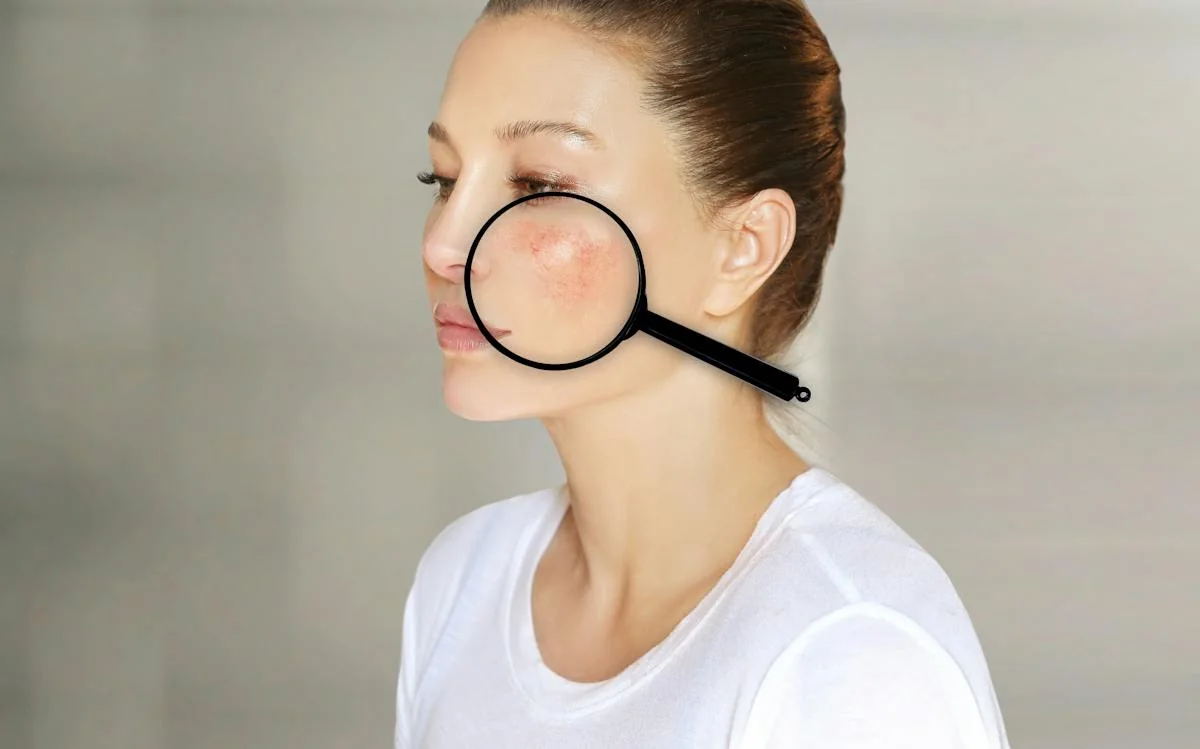
Rosacea can cause facial flushing, lasting color changes, visible blood vessels, bumps, and sore or sensitive skin; other problems can look similar; redness may be harder to see on darker skin. A doctor can check the pattern and guide care. A mirror or photo alone cannot prove what is wrong.
Note warmth, stinging, burning, and changes in texture as well as visible color. These details may help when a flare is hard to capture in a picture.
Do not treat bumps as acne without checking the wider pattern. A strong acne routine can be too irritating for some people with rosacea.
Bring the names of products and medicines you use. If you have been applying a steroid to the face, tell the doctor rather than hiding it out of worry.
Our Skin & Personal Care section covers related concerns. A clear diagnosis can make the routine simpler by helping you choose what actually belongs in it.
Keep a short diary of flares and context
A rosacea diary can note signs, heat, weather, food, drinks, stress, exercise, and products around a flare; look for a pattern that repeats. Do not blame just the last food you ate. A possible link calls for a closer look, not a lifelong ban on a food you enjoy eating.
Use a few lines each day. Write when the flare began, how it felt, and what was different. Avoid a detailed log if it makes you anxious or preoccupied.
Facial flushing may follow several things together, such as sun, heat, and a hot drink. One event cannot easily separate them.
Photos can help if you take them in similar lighting and store them privately. They are optional, and they do not replace a description of burning or eye discomfort.
At the end of a few weeks, choose one likely pattern to discuss. A diary should help you make a manageable change, not grow into a list that removes pleasure from the day.
Change the setting before giving up an activity
Heat, sun, stress, alcohol, spicy food, and skin products can trigger flares, but each person differs; a small change may help without cutting out things you enjoy. Try a cooler place, another product, or a different time. Keep using prescribed care as advised while you test what helps your skin.
For exercise, a cooler room, gentler pace, or planned breaks may help. You do not need to abandon movement simply because heat sometimes brings a flare.
Sun protection belongs in the plan. Seek shade, use suitable clothing, and choose a broad spectrum sunscreen your skin tolerates. A dermatologist can help if sunscreen stings.
Gentle skin care means avoiding harsh scrubs and keeping products simple. Introduce one change at a time so you can notice irritation.
If a hot drink seems relevant, you might test a cooler version rather than assume the drink itself is forbidden. The aim is a useful adjustment with a clear reason, not a permanent restriction based on one uncomfortable afternoon.
Include the eyes and keep treatment under review
Rosacea can affect eyes too; report a gritty or dry feeling, sore lids, or repeated redness; eye symptoms such as pain, marked light sensitivity, or vision changes need prompt care. Finding triggers may help the skin plan. It cannot replace prescribed care or an eye check when one is needed.
Ask which changes need an early call and when the skin plan should be reviewed. Some treatments take time, so get a realistic review point rather than switching products every few days.
If a product causes a clear reaction, stop and ask for advice. Do not keep applying it because discomfort seems like proof that it is working.
For scalp flakes, read dandruff vs dry scalp. Scalp and facial symptoms may need different treatments even when they occur at the same time.
Keep the diary modest and the conversation specific. You might leave the visit with one medicine plan, one gentle cleanser, and one change to test. That can be more useful than a crowded shelf of products and a long list of unproven rules.
Frequently Asked Questions
Trigger advice works best with a clear diagnosis and a care plan you can use; these answers cover food, exercise, and eyes; patterns differ between people. Get prompt care for eye pain or changes in sight. Ask about ongoing skin signs too, rather than relying on avoiding triggers alone indefinitely.
Must everyone with rosacea avoid spicy food?
No. It is a trigger for some people, not a universal rule. Look for a repeated personal pattern before making a lasting restriction.
Should I stop exercising to avoid flushing?
Not automatically. A cooler setting, breaks, or a different intensity may help. Discuss options that let you remain active while managing your symptoms.
Can rosacea affect my eyes before my skin looks very red?
Eye symptoms can occur even when skin signs seem mild. Tell a doctor about irritation, and seek prompt care for pain, light sensitivity, or changes in vision.
Sources and further reading: Santé Magazine — topic and image source, Medical reference 1.
For general information. This article does not replace personal medical care.