One flight of stairs can change your breathing faster than a long walk across the lobby. You are lifting your body with each step. That makes stairs a useful option, but also a reason to begin with care.
Stair climbing for beginners works best when the first goal is safe practice. You do not need a stopwatch, a race to the top, or a test that claims to predict how long you will live.
Why a small flight can feel like hard work
Stairs ask your legs to lift your body against gravity, so effort can rise fast. A flight that feels easy to one person may be hard for another. Match your pace to your current ability, and treat breathlessness as feedback rather than proof that you should push through.
Short activity breaks can help you move more during the day. Yet a stair workout does not need to replace all walking, strength work, or other movement you enjoy.
You may notice your pulse rise and your thighs work. Those sensations differ from chest pain, feeling faint, or sudden severe shortness of breath. Stop and seek urgent help for such warning signs.
If you have a heart or lung condition, poor balance, or recent surgery, ask your care team what is safe. The right starting point may be flat ground.
You can still build fitness without stairs. A useful plan gives you options for the body you have today, including on days when pain or fatigue changes what feels possible.
Choose stairs that make safe practice easier
Safe stair use starts with the setting; choose dry, well lit steps with a sturdy rail, enough space, and no loose objects. Wear shoes that stay on your feet. Keep your hands free, and avoid busy stairs where stopping for a rest could block or surprise other people.
Use handrail support from the start. It is a tool, not a sign that the session does not count. Place your foot securely and watch where you step.
Do not carry a hot drink, laundry, or your phone in your hands. Check that pets and children will not dart across your path.
Going down also takes control. Take your time, and use the elevator for the return if that makes the session safer. Do not turn the descent into a speed drill.
A public staircase may have rules about exercise or access. Respect them. For other ways to build a week of movement, visit our Fitness & Movement section and choose activities that fit your space and needs.
Start with a dose you can repeat
Begin with an easy warm up on flat ground, then try a short climb at a steady pace. Pause when needed and finish while you still feel in control. Add a little time or another short climb only after the current amount feels comfortable across several sessions without pain.
For some people, that means a few steps. Others may manage a flight. Neither is a universal starting rule, and neither tells you your worth or fitness future.
Use exercise intensity to guide the plan. If you cannot speak comfortably, slow down or rest. The same staircase can feel harder after illness, poor sleep, or a hot day.
Keep the first session brief enough that you can judge how you feel later. Watch for joint pain, swelling, or soreness that changes the way you walk.
Do not add speed and more flights at the same time. Change one thing, then see how it goes. A calm, repeatable session is a better base than one exhausting attempt you dread repeating.
Make progress without turning stairs into a test
Track what you did, how it felt, and whether you had pain afterward. Progress may mean the same flight feels easier, your steps feel steadier, or you recover more comfortably. No home stair challenge can diagnose heart health, replace a medical test, or give a reliable personal life expectancy.
A short note is enough: one easy flight, rail used, no pain. You do not need a wearable score for the session to count.
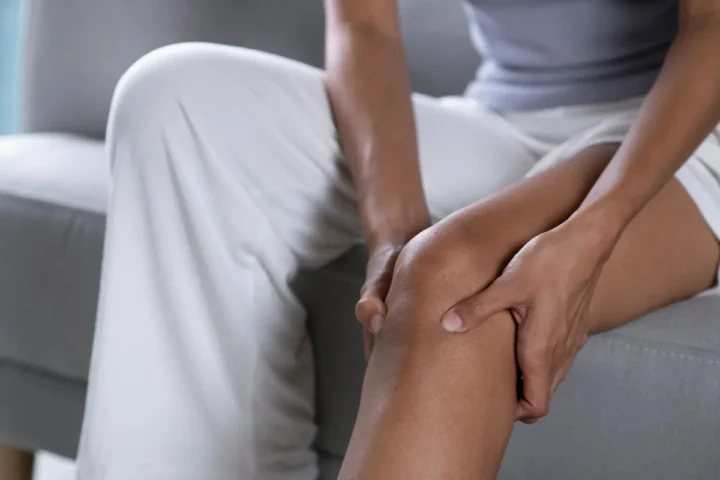
If stairs cause knee pain, do not keep repeating them to see whether you can win. Ask for advice about the cause and other ways to train.
Try a low step with professional guidance if that is suitable. Or choose a flat walk, an adapted exercise class, or a seated option.
Our guide to cycling for beginners offers another route into movement. The most useful activity is one you can do safely and return to, with room to adjust when your body asks for a different pace.
Frequently Asked Questions
The right stair plan depends on your health, balance, and current fitness, rather than a fixed number of flights. These answers cover common starting concerns. Use them to shape questions for a doctor or exercise professional if stairs bring pain, unusual breathlessness, fear of falling, or other new symptoms.
How many flights should a beginner climb?
There is no single number for everyone. Start with a small amount you can control, rest as needed, and build gradually without pain or worrying symptoms.
Does holding the rail make the workout pointless?
No. The rail can help you stay steady while your legs still do work. Safety matters more than making the session look harder.
Are stairs safe if my knees hurt?
That depends on the cause and severity of the pain. Stop if stairs worsen it and ask about assessment and other forms of movement.
Sources and further reading: Santé Magazine — topic and image source, Medical reference 1.
For general information. This article does not replace personal medical care.