The flakes on a dark shirt look simple. The choice of shampoo does not. One bottle promises moisture, another promises treatment, and a third tells you that your scalp needs a detox.
Dandruff vs dry scalp is a useful question, but flakes alone do not always answer it. A gentle look at the pattern, your hair care, and any redness or pain can help you choose a sensible next step without adding five new products.
Look beyond the color of the flakes
Scalp flakes can occur with dryness, dandruff, product irritation, or skin conditions such as seborrheic dermatitis and psoriasis. Itch, redness, scale, and the wider pattern provide clues, but appearance alone may not settle the cause. Ongoing or severe symptoms deserve assessment rather than repeated guesses based on photos.
Notice when the problem began. Did you switch shampoo, dye your hair, or start using a strong scalp product? A timeline may be more useful than a close up picture alone.
Dandruff does not prove poor hygiene. Scrubbing harder can make scalp irritation worse, especially if the skin is already sore.
Avoid picking at flakes with nails or a sharp tool. You can break the skin and add pain without treating the cause.
If you also have scale around the eyebrows or ears, mention it during a visit. That may help guide the check. The aim is to describe what you see and feel, not to arrive with a diagnosis you must defend.
Simplify care before adding more products
Gentle hair care starts with products and habits suited to your hair texture and scalp needs; rinse well and avoid harsh scrubbing. If a new product causes burning or a rash, stop using it and seek advice if needed. Oils, fragrances, and remedies can irritate scalps instead of soothing them.
Keep the routine short enough that you can tell what helps. Changing three things at once can make the next flare harder to understand.
Think about both scalp and hair. A cleanser that suits an oily scalp may dry the lengths of curly or coily hair. Conditioner and technique can need separate adjustments.
Ask a dermatologist or a knowledgeable hair professional how to apply products without coating every strand when the treatment is meant for the scalp.
Our Skin & Personal Care section covers related routines. The useful goal is comfortable skin and manageable hair, not a scalp that feels stripped clean or tingles after every wash.
Use a dandruff shampoo as directed
An anti dandruff shampoo can help mild dandruff, but ingredients and instructions differ. Apply it where the label directs, leave it on for the stated time, and rinse as instructed. Choose a schedule that suits your hair and tolerance, and ask a pharmacist or dermatologist if unsure what to try.
Some products contain ketoconazole, selenium sulfide, or other active ingredients. Do not assume that a stronger feeling on the scalp means a better result.
Read warnings about irritation and sun sensitivity. Follow age limits, avoid the eyes, and use the product only on areas the label allows.
If the first option does not help after correct use, ask what to change. A different ingredient may be reasonable, but ongoing symptoms may also mean the cause needs a closer look.
Do not apply steroid creams, strong acids, or essential oils to the scalp just because someone online calls them a cure. The wrong treatment can irritate skin or make the underlying problem harder to assess.
Know when flakes need a professional check
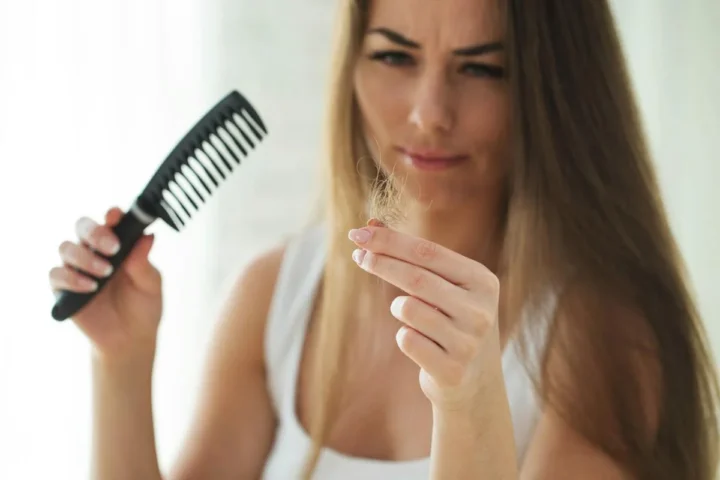
See a doctor for ongoing flakes despite suitable care, marked redness, thick crusts, pain, oozing, or patchy hair loss. These findings may need a different diagnosis or treatment. A swollen face, trouble breathing, or a reaction after a product needs urgent care rather than another wash or waiting for improvement.
Bring the names of products you use and how often you use them. A photo of the label can help if you cannot bring the bottle.
Tell the doctor about other skin changes and whether anyone else in the home has symptoms. Do not share combs or brushes if an infection is suspected.
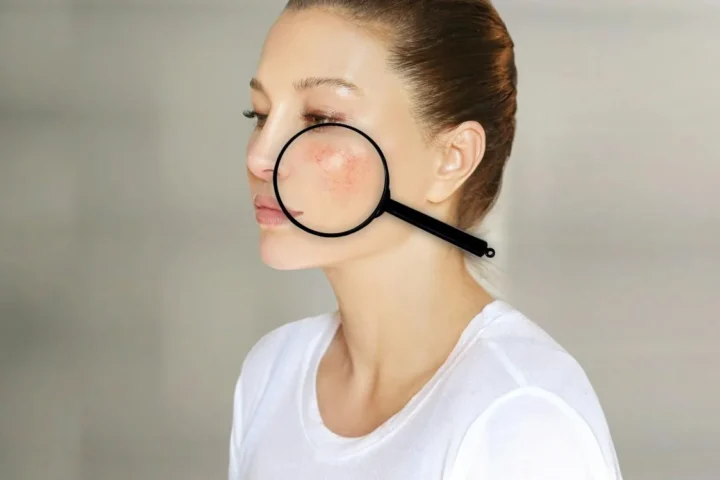
If you have facial redness as well, read rosacea triggers to track. Rosacea is a separate concern, and a dandruff shampoo should not become a facial treatment without guidance.
Keep the next step simple: choose one suitable routine, follow its directions, and set a point to review it. You should not have to keep buying new products while the scalp grows more uncomfortable or the hair begins to thin.
Frequently Asked Questions
Scalp symptoms can overlap, so a useful answer often depends on hair texture, product use, and whether there is inflammation or hair loss. These answers address common myths without deciding the cause from flakes alone. Seek assessment when symptoms are severe, ongoing, painful, or different from your usual mild pattern.
Does dandruff mean I am not washing enough?
Not necessarily. Several factors can contribute, and washing needs differ by hair and scalp type. Harsh or excessive washing can also irritate the skin.
Should I put oil on every flaky scalp?
No. Oil is not a universal treatment and can irritate some people. The right care depends on the cause, not simply on whether flakes are visible.
Can dandruff shampoo cause dryness in my hair?
It can, especially with some hair textures or frequent use. Follow the directions, focus on the scalp as advised, and adjust hair conditioning with suitable guidance.
Sources and further reading: Santé Magazine — topic and image source, Medical reference 1.
For general information. This article does not replace personal medical care.