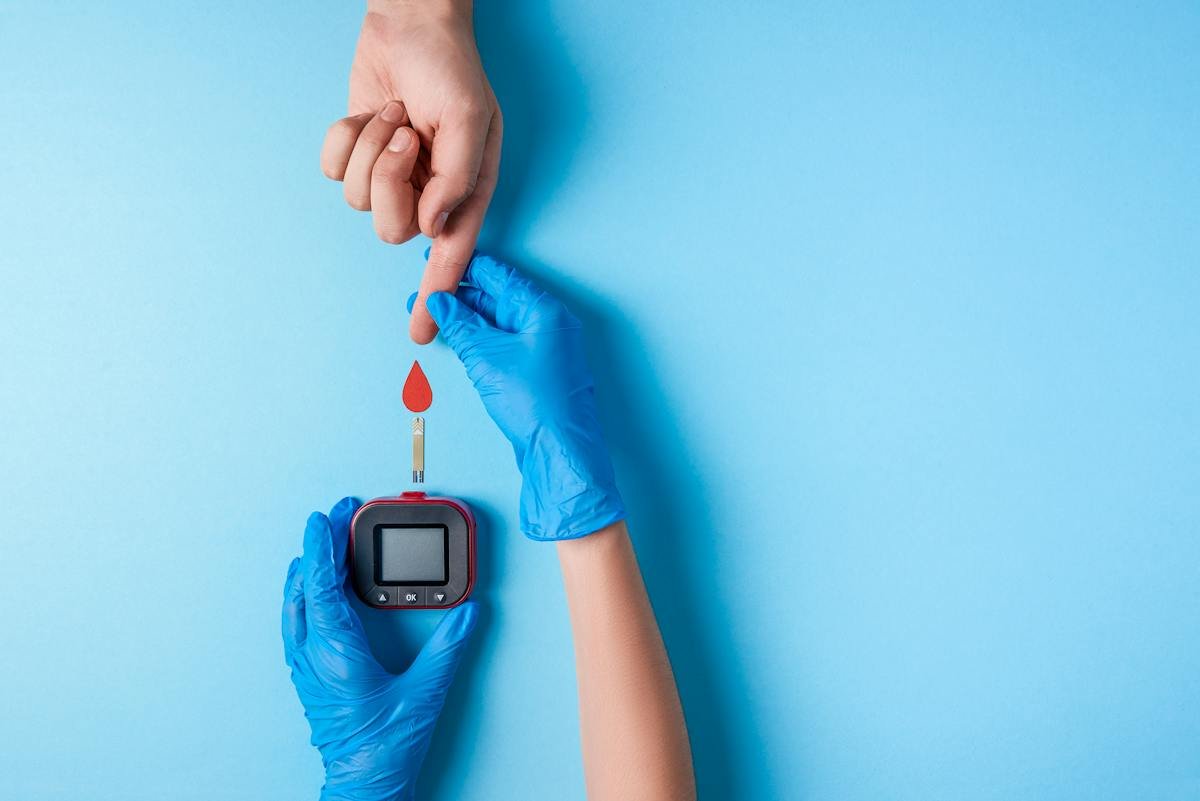
A lab result can change the mood of an ordinary morning. You feel much the same, yet a new word now sits beside your blood sugar number. Learning what prediabetes means can turn that word into a plan, without treating it as a promise of illness or a reason for blame.
A Risk Signal Is Not a Fixed Future
Prediabetes means blood sugar is above the usual range but below the diabetes range. It raises future health risks, yet often has no clear symptoms. Testing and follow-up therefore matter.
How well you feel today cannot confirm the result or decide whether you need a care plan.
Ask what test was used and what the result means for you. An A1C test reflects blood sugar over a period of time, while other tests answer different questions. A doctor can explain when another test is needed.
Do not diagnose yourself from a friend's number or a single home reading. Blood sugar testing has specific methods and limits. Bring the report to a visit so you can discuss the actual result rather than an online guess.
Make the Next Conversation Specific
Leave the appointment with clear next steps, not only an order to eat better. Ask about risk, repeat tests, and available support. Your history and daily life shape the plan.
Mention barriers as well as goals, so advice can fit your budget, time, health, and needs.
Write down three questions before you go. What does this result show? What change would help most?
When should we check again? A short list can keep a worrying visit focused.
Insulin resistance is part of the picture for many people. But it is not a judgment about effort. Avoid products that promise to reset your metabolism quickly.
Ask what evidence supports any supplement or test before paying for it.
Choose One Change You Can Repeat
Practical, supported lifestyle changes can reduce the chance of type 2 diabetes. Start with one step in food, movement, or daily routine that you can repeat. If weight loss is advised, ask for a safe approach.
A crash diet is not the only way to begin care.
You might replace one sweet drink, take a brief walk, or add vegetables to lunch. Pick a change that fits your budget and access. An ambitious plan that fails on busy days is not the only option.
Look for a recognized diabetes prevention program if one is available to you. Coaching and social support can make the work less isolating. You do not have to become your own full-time health manager overnight.
Keep Follow-Up in the Plan
Prevention takes follow-up, not a one-week challenge. Keep planned tests even if you feel well. Contact a doctor sooner for marked thirst, frequent urination, or unexplained weight loss.
Get urgent care if you become severely unwell, rather than waiting for the next routine visit or home reading.
Track changes in a way that helps, not punishes. A calendar of walks or a note about drinks may be more useful than constant weighing. Discuss medicine when your doctor thinks it is suitable for your risk.
Progress may look uneven. Work shifts, stress, illness, and caregiving can disrupt a routine. Bring those barriers into the conversation so the plan can adapt instead of becoming another source of shame.
Frequently Asked Questions
A prediabetes result gives information that can guide care before problems grow. It does not predict one fixed future or describe your whole health. These answers cover common starting points.
Your test results, history, and needs should shape the details of the plan and when to follow up.
Does prediabetes always become diabetes?
No, progression is not inevitable. Risk can change, and a supported plan can help reduce it, though follow-up remains important.
Can I tell from symptoms alone?
Often you cannot, because prediabetes may have no obvious symptoms. Appropriate blood tests are needed to establish what is happening.
Must I buy a glucose monitor?
Not every person with prediabetes needs one. Ask whether monitoring would change your care before buying a device or testing frequently without a plan.