The scale has not moved. But your waistband feels different. That change may make you curious, worried, or both.
Waist size and health have a connection, yet a tape measure cannot sum up your body. It is one piece of a wider conversation, not a grade you wear around your middle.
Treat the Number as Context
Waist size can add a clue about health risk because fat location matters. It is not a diagnosis or a complete health score. A doctor should consider it with blood pressure, tests, history, and other factors.
A tape measure cannot capture the whole person or their needs.
Body mass index also has limits. It uses height and weight, not a direct measure of fat or fitness. A muscular person and someone with less muscle may have the same result for different reasons.
Avoid choosing one number to tell the whole story. Ask which measures actually help your care. The useful result is a clearer plan, not a new set of daily checks that makes you anxious.
Measure Consistently if It Is Useful
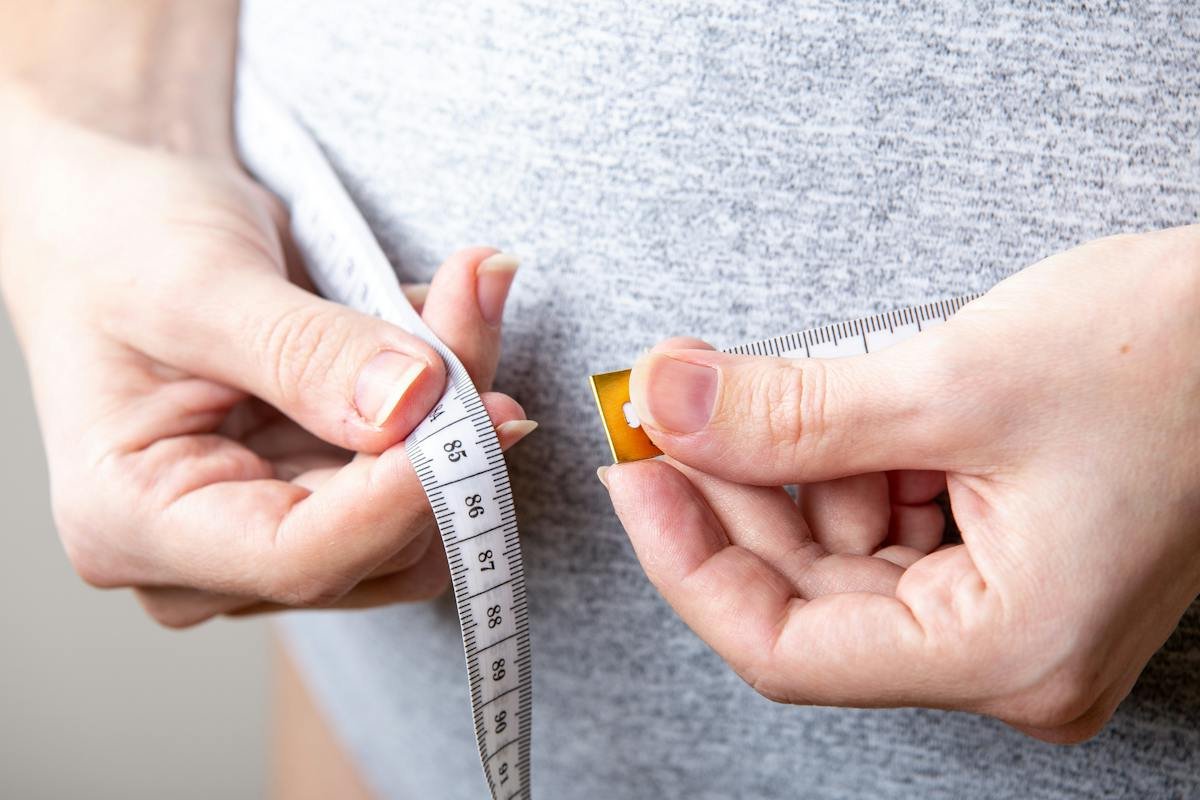
A waist measurement is easier to compare when the method stays the same. Keep a flexible tape level and avoid pulling it tight. Ask which body point your care team uses.
Different methods can give different numbers, making changes between visits harder to understand or use in care.
Measure over bare skin or light clothing as instructed, and breathe normally. Do not suck in your stomach to change the result. The number is information for you, not a performance for anyone else.
There is usually little value in checking repeatedly through the day. Food, bloating, and small shifts in placement can affect the reading. Use a sensible interval if tracking is part of a plan agreed with a doctor.
Look Beyond Promises to Target Belly Fat
Visceral fat sits around organs, while other fat lies under the skin. Exercising one body part cannot reliably choose where fat is lost. Be cautious with quick-fix wraps, teas, or workouts.
Promises built on shame or dramatic photos are not a sound basis for personal health decisions.
Core exercise can build strength. But that is different from selectively removing fat. Choose movement for what it helps you do, not only how one part of your body looks in a photo.
If a change in your abdomen is sudden, painful, or unexplained, seek check. Not every increase in size is body fat. A new symptom deserves care rather than a quick assumption that you need to diet harder.
Make the Plan Broader Than Weight
A plan to address metabolic risk may address food, activity, sleep, smoking, medicines, and existing conditions. Weight can be part of it, but not the whole focus. Symptoms, function, mental well-being, and access to care matter too.
Respectful support helps people talk openly and choose changes they can sustain.
Tell your doctor if measuring is distressing or tied to past disordered eating. You can ask why a number is needed and how it will be used. Care should not depend on tolerating humiliation.
Weight stigma can keep people from asking for help. Look for a professional who treats you as a whole person and explains choices clearly. Your next step should improve care, not make you feel smaller in the room.
Frequently Asked Questions
A tape measure can answer a health question. But it cannot measure your worth. It does not replace a medical check.
These answers keep the number in perspective. If tracking causes distress, ask about other ways to follow the outcomes that matter most to your own care.
Is there one healthy waist size for everyone?
No single cutoff tells the full story for every person. Risk interpretation can vary with background and other factors, so discuss the result in context.
Can crunches remove fat from my waist?
They can strengthen muscles. But they do not reliably choose where fat is lost. Be wary of claims that promise targeted fat loss from one exercise.
Should I measure every morning?
Usually there is no need for daily checks. If measurement is useful, agree on a consistent method and a reasonable interval with your care team.