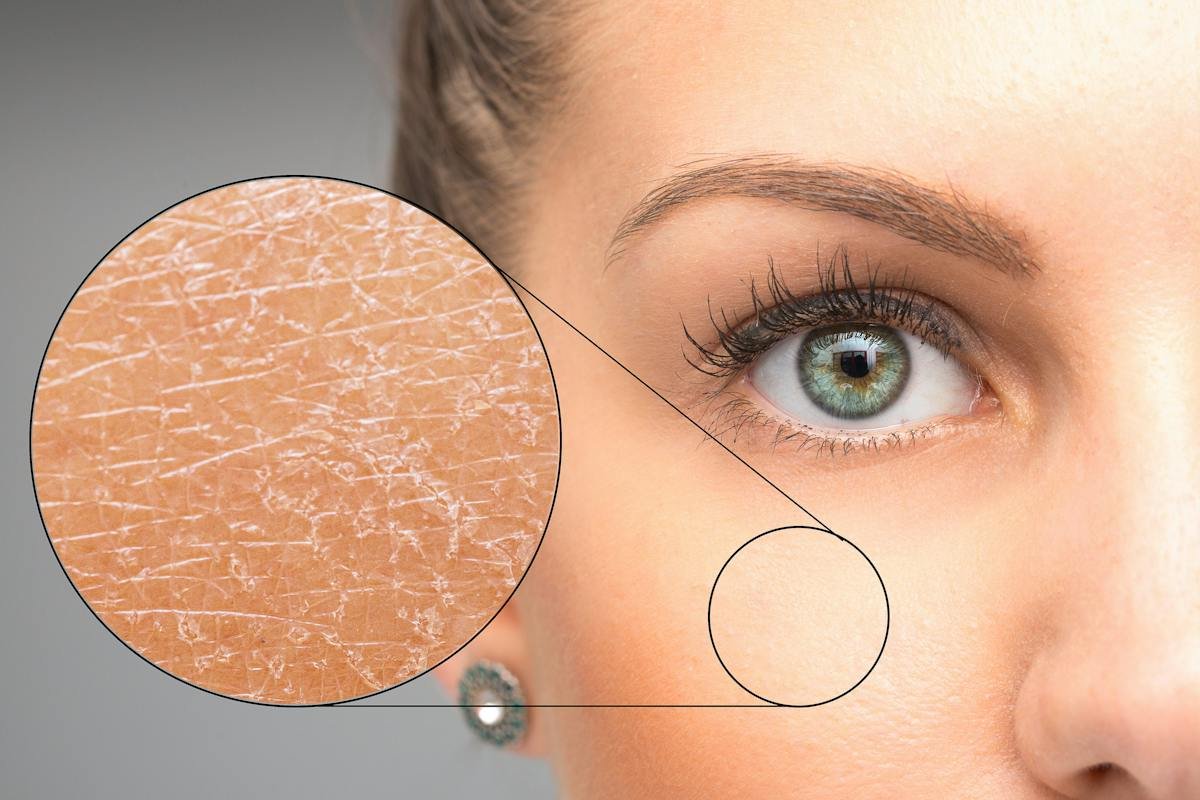
The shower feels wonderful, then your skin starts to pull as soon as you dry off. You reach for a scented lotion. And it stings.
A dry skin care routine can often become simpler, not larger. Gentle washing and a well-chosen cream may help more than another scrub or a shelf of active ingredients.
Make Washing Less Demanding on Skin
Hot, long showers and harsh cleansing can worsen dryness. Keep washing brief, use lukewarm water, and choose a gentle cleanser where needed. Pat skin dry instead of rubbing.
Scrubbing flakes away can add soreness rather than fix the cause of skin that feels rough, tight, itchy, or sore after washing.
A gentle cleanser should leave you clean without a strong stripped feeling. You may not need the same amount on every part of the body. Adapt washing to your activity, comfort, and any advice for a diagnosed skin health issue.
Keep a towel within easy reach so you can finish without more friction. Small changes in a known routine can be easier to maintain than a full set of new products that all arrive at once.
Moisturize While the Skin Is Still Damp
Apply cream soon after washing to help hold water in the skin. Fragrance-free creams or ointments may suit very dry areas better than light lotion. Choose a texture you can use often.
Consider the body area, comfort, allergies, and any medical advice rather than relying on price or packaging alone.
A fragrance-free moisturizer differs from an unscented product, which may use ingredients to mask odor. Read labels if fragrances bother you. A plain product can be a practical option rather than a less effective one.
Keep cream where you wash your hands or shower. The habit is easier when the product is close. Expensive packaging is not a requirement for dry skin relief, and using a comfortable product consistently often matters more than trying a new formula every week.
Give the skin barrier a Quieter Week
The skin barrier limits water loss and helps keep irritants out. When skin is sore, consider pausing nonessential scrubs or strong active products. Add one new product at a time.
This makes reactions easy to trace and avoids a complex routine that hides the cause of continuing soreness or discomfort.
Protect hands during wet work with suitable gloves, and dry them gently afterward. Watch for soreness from the gloves themselves. Work habits and frequent washing may need attention alongside the cream you use at home.
If indoor air feels very dry, a properly maintained humidifier may improve comfort for some people. Follow cleaning directions. An unclean device creates a new problem and is not a substitute for a sound skin-care routine.
Get Help for Skin That Keeps Hurting
Ongoing itching, cracks, bleeding, or rash may need more than cream. Seek advice when simple care fails or signs worsen. Spreading redness, warmth, pus, fever, or severe pain needs prompt attention.
Do not keep adding products or scrubbing harder when the problem may require a diagnosis and specific care instead.
Tell the doctor which products you use and when the problem began. Photos of changing signs can help if the skin looks different by the visit. Bring product names rather than a vague list of everything marketed as gentle.
Your goal is comfortable skin, not a flawless close-up. Keep what helps and stop chasing a perfect texture. A routine should make washing and dressing easier, not turn every dry patch into another reason to shop.
Frequently Asked Questions
Gentler care can help dryness, but ongoing signs deserve attention rather than endless product trials. Start with mild washing and regular cream, then review changes. These answers cover common concerns.
Pain, rash, infection signs, or lasting itch may need a proper check instead of another purchase or a harsher routine.
Should I scrub off dry flakes?
Avoid harsh scrubbing, which can worsen soreness. Gentle care and cream are a better starting point while you seek advice for ongoing or painful patches.
Is a cream always better than a lotion?
A cream or ointment may help very dry areas, but comfort and skin needs differ. Choose a suitable product you can use consistently and ask for help if it stings.
Can drinking more water replace cream?
Not usually, since dryness involves the skin barrier as well as hydration. Follow normal fluid guidance and address the skin directly rather than forcing extra water as a cure.