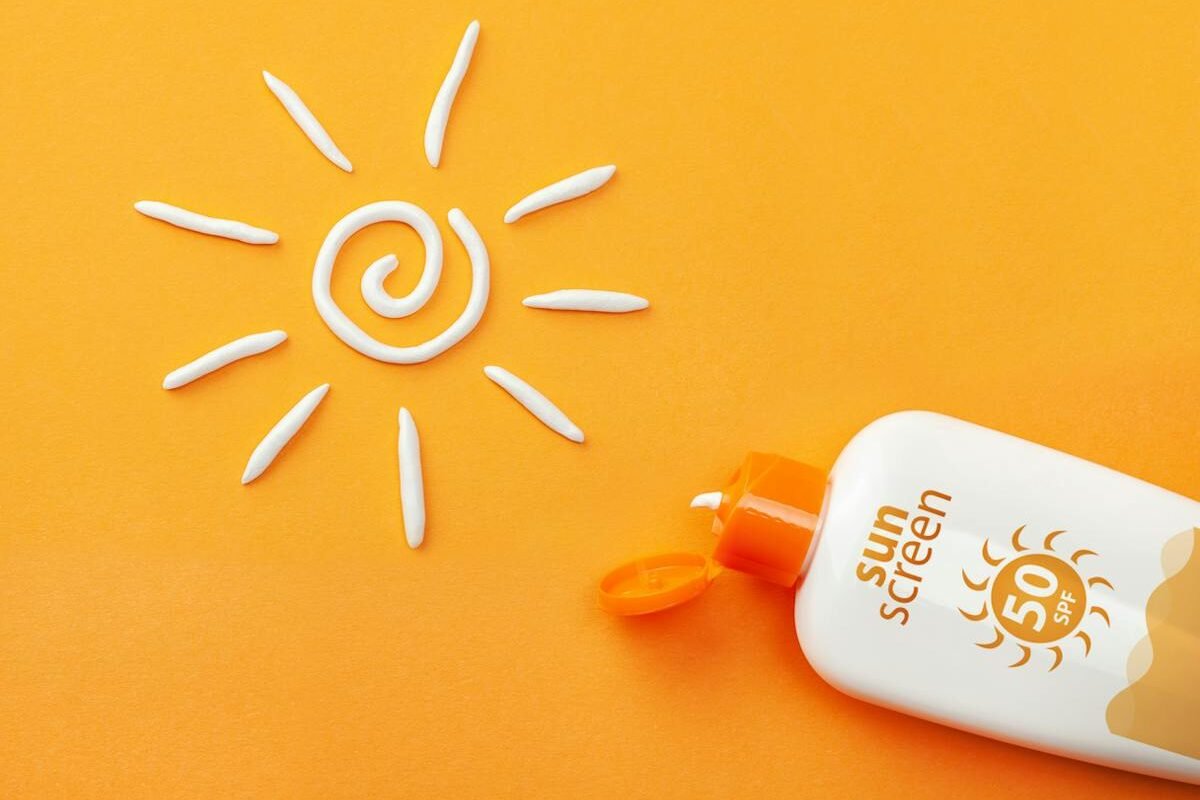
The best bottle on the shelf does little from the bottom of a bag. sun protection needs a product you can apply and reapply comfortably. Learning how to choose sunscreen starts with a few label terms, then moves to the practical question of whether it will fit your skin and your day.
Check Three Useful Label Features
Choose broad spectrum sunscreen with SPF 30 or higher and suitable water resistance. broad spectrum covers UVA and UVB, while SPF mainly describes UVB protection. Water resistance has limits.
Read directions rather than assuming swimming or sweating will leave protection unchanged until you choose to apply the product again.
SPF 30 is a useful minimum recommended by skin doctors, but use matters. A higher number does not make sunscreen an all-day shield. Follow the product directions and cover exposed parts evenly.
Do not translate SPF into hours you can stay in the sun. Real use involves rubbing, water, sweat, and missed spots. The label is a starting point for safe use, not a timer that guarantees you will not burn.
Choose a Texture You Will Use
A sunscreen that feels good is easy to use each day. Textures suit different people, but all need correct use. Consider skin reactions, coverage, and how the product looks on your skin.
Price or a fashionable ingredient does not prove that one bottle is the best choice for your needs.
Try a small part if your skin often reacts to products. If a sunscreen stings or causes a rash, ask about alternatives. You do not have to accept discomfort as proof that protection is working.
A product with a tint may suit some people better than a formula that leaves a visible cast. The key is effective use. Ask a dermatologist for help if skin disease, repeated reactions, or drug makes choices more complicated.
Build Reapplication Into the Outing
Reapply sunscreen about every two hours outdoors and after swimming or sweating, following the label. Bring enough for the outing. Cover easy-to-miss parts such as ears, neck, feet, and exposed scalp.
A note works only if the product is with you and you apply enough as the directions explain.
Set a practical cue for sunscreen reapplication, such as a break in the shade. Keep the bottle with the things you will actually carry. A note on a phone cannot help if the sunscreen stayed at home.
Check the expiration date, storage directions, and whether the label says water resistant. A product left in intense heat may not remain in good health issue. Replace sunscreen that has expired or changed unexpectedly rather than relying on a damaged bottle for a long day outside.
Let Clothing and Shade Share the Work
Use shade, clothing, a broad-brimmed hat, and sunglasses alongside sunscreen. Be mindful of strong sun and cover exposed skin as suitable. All skin tones can experience sun damage.
Not burning quickly is not proof that protection is unnecessary or that a long outdoor day carries no risk for your skin.
Plan the outing around comfort and access to shade, not only the bottle. A shirt can protect an part without needing reapplication there. Combine methods rather than expecting one product to do every job.
If you have a changing skin spot or a sore that does not heal, seek check. Sunscreen helps prevention but does not evaluate an existing lesion. Keep that concern separate from choosing the next product on a store shelf.
Frequently Asked Questions
Labels help you choose, but habits shape protection in real life. Comfort, coverage, reapplication, shade, and clothing all matter. These answers cover common questions.
A high SPF number does not promise unlimited safe sun time or remove the need to follow directions and use other protection during an outdoor day.
Is a very high SPF enough for all day?
No, reapplication and other protective steps still matter. Follow directions and do not use the number to calculate a guaranteed safe sun time.
Do darker skin tones need sun protection?
Yes, sun damage can affect all skin tones. Choose products and protective habits that work comfortably for your skin and activities.
Can water-resistant sunscreen stay on indefinitely?
No, water resistance lasts only for the labeled testing period. Reapply after swimming or sweating as directed, and also follow regular outdoor reapplication guidance.