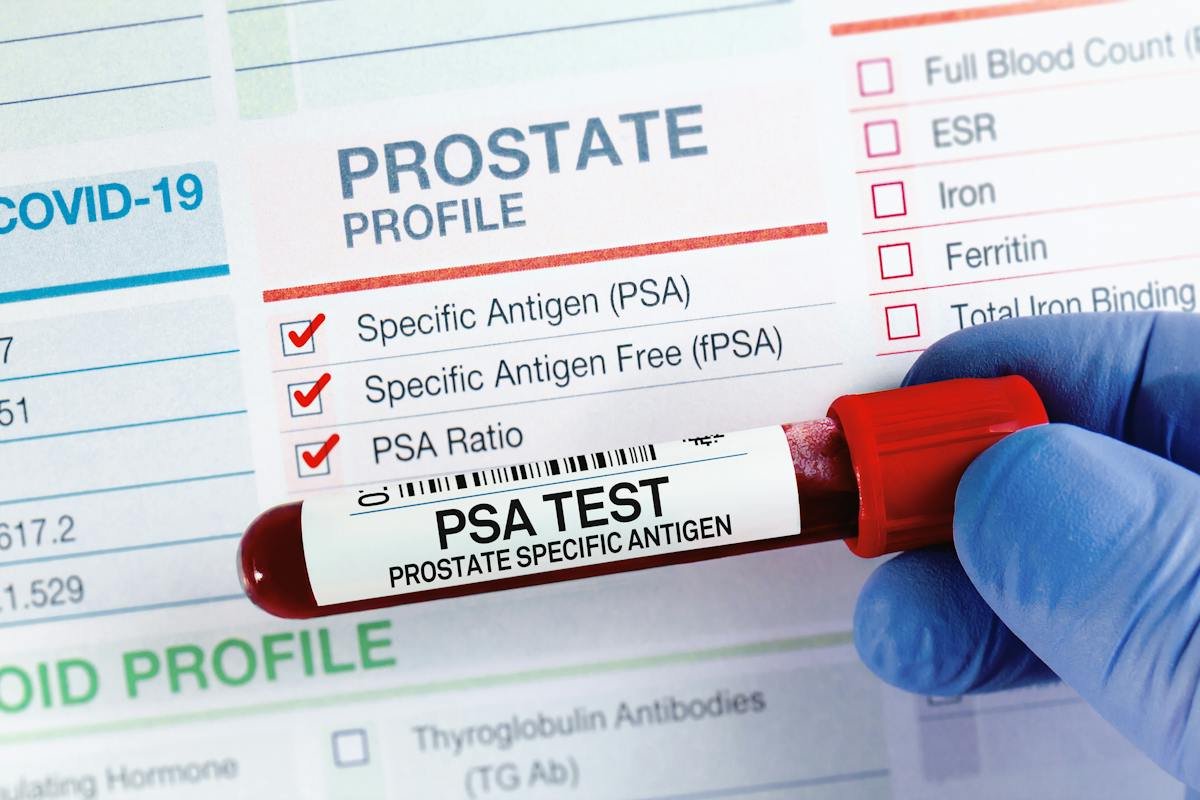
A blood draw sounds simple. The decision behind it may be less so. Before you roll up your sleeve, a few PSA test questions can help you understand what the result might change.
Screening is most useful as a conversation about your risk and choices, not an automatic box on a yearly list.
Ask What the Test Is For
A PSA test measures a protein made by prostate cells. Doctors use it for screening, symptoms, and follow-up of known cancer. Ask which purpose applies to you.
Results and next steps mean different things in these settings, so a friend's experience may not explain what your own test is for.
Prostate screening means looking for signs of cancer before symptoms appear. That is a different question from evaluating a new urinary problem. Tell your doctor what you have noticed rather than assuming the blood test will answer every concern.
Start with a plain question: what would we do with this result? If the answer is unclear, ask for more detail. Understanding the purpose can make the decision feel less like a test you must accept without discussion.
Weigh Possible Benefits Against Possible Harms
Screening may find cancer earlier. But it can also lead to worry, extra tests, and treatment that was not needed. A false positive is not the same as overdiagnosis.
Ask about both. Knowing possible benefits and harms helps you decide whether screening fits your risk and personal preferences.
These terms can sound abstract until you picture the next appointment. Ask what an elevated result might lead to, including repeat testing, imaging, or a biopsy. A test is part of a chain of choices, not only a number.
You do not need to decide from fear. Ask how large the potential benefit is in your situation and what harms matter most to you. Clear explanations should make room for questions rather than pressure you toward one answer.
Bring Your History Into the Decision
Screening choices depend on age, family history, ancestry, inherited factors, general health. And your preferences. Advice can differ between professional groups.
Ask which guidance your doctor uses and why it fits you. A friend's schedule or one online number cannot replace a discussion about your own risk and goals.
Bring details about close relatives with prostate cancer if you know them. Mention medicines and prior prostate problems too. Ask how family history affects your prostate cancer risk.
You do not need a complete family tree, but useful facts can change the conversation.
A shared decision means both medical evidence and your values have a place. Some people place more weight on early detection; others are more concerned about downstream harms. Your doctor should help you understand the tradeoff, not guess your preference.
Make a Plan for Any Result
An elevated PSA does not by itself diagnose cancer, and a low result does not settle every concern. Benign conditions can affect levels too. Ask how results will arrive and what follow-up is needed.
New symptoms still deserve attention even after a test that seemed reassuring at the time.
Write down how to contact the office if you do not hear back. Do not assume silence means the result was normal. Keep copies of past results if that helps the care team see a pattern.
If the test is being used after cancer treatment, follow the specialist's plan. That setting has different goals from first-time screening. Avoid comparing your result with someone whose diagnosis or treatment history is different.
Frequently Asked Questions
A screening choice involves more than the chance to order a blood test. Understand its purpose, limits, and possible next steps before deciding. These answers cover common questions.
Your history, risk, general health, and preferences should all have a place in the conversation about whether testing is useful for you.
Does a high PSA always mean cancer?
No, benign prostate conditions and other factors can raise it. A doctor interprets the result and decides what follow-up is suitable.
Should every man get tested each year?
There is no single schedule that fits everyone. Discuss benefits, harms, age, and individual risk before choosing a plan.
Is screening the same as checking symptoms?
No, screening concerns people without symptoms. New urinary or other concerning symptoms deserve check even if you have had a recent screening test.