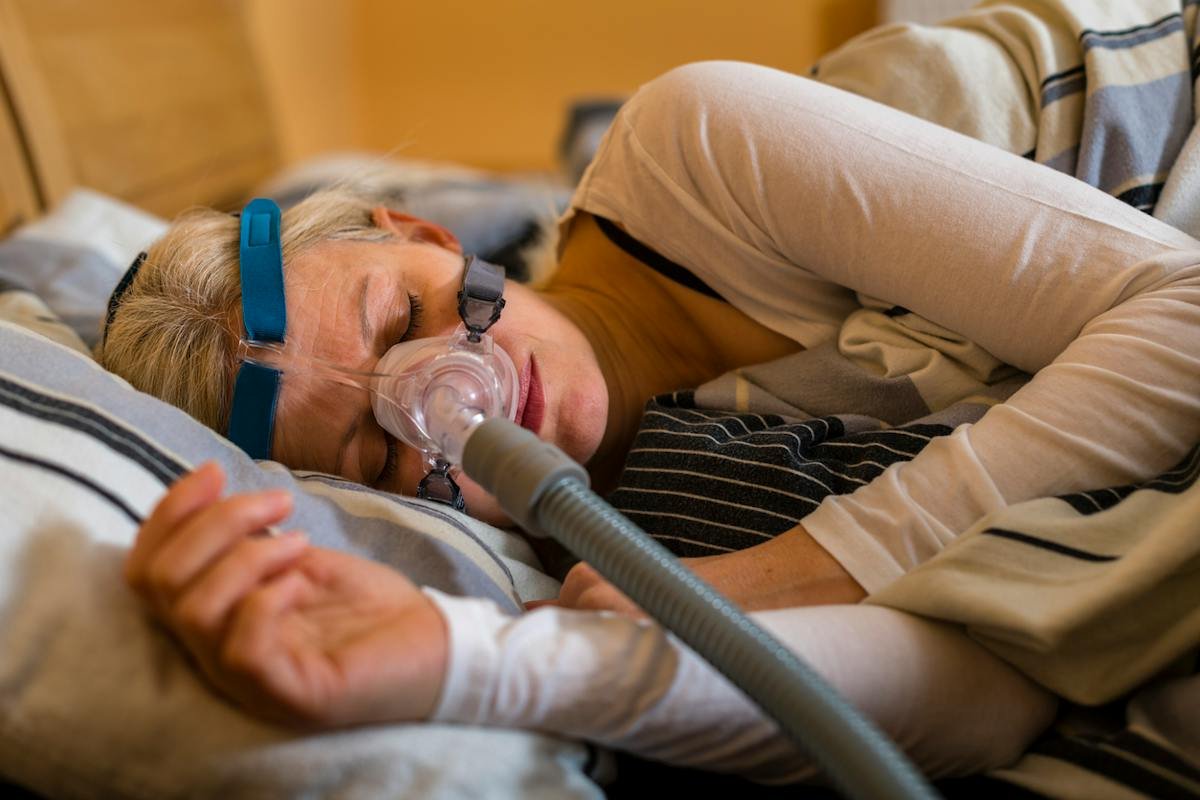
The room is dark, yet sleep is noisy. A partner hears snoring, a pause, then a gasp you do not remember in the morning. Sleep apnea signs in men can be easy to brush off as ordinary tiredness.
They deserve a closer look, especially when the day begins with sleep that never felt restful.
Listen to What Happens Overnight
Loud snoring, breathing pauses, and gasping can suggest a sleep breathing problem, but snoring alone is not a diagnosis. You may not notice events yourself. A partner's report can help.
Proper testing and a medical check determine what the pattern means and whether treatment is needed for your situation.
Ask what was heard rather than only whether you snore. Were there quiet gaps followed by a snort? Did the pattern happen repeatedly?
Those details can be more useful than the volume alone.
Do not feel embarrassed about bringing someone else's report to an appointment. Sleep hides information from the person experiencing it. A partner's observation is a clue, not proof that you have done anything wrong.
Notice the Daytime Clues Too
Sleepiness, poor focus, and a morning headache can occur with sleep apnea, but have other causes too. Look across nights and days, not at one symptom alone. Being used to tiredness does not make it harmless.
Seek help when it affects driving, work, mood, or staying awake during normal tasks.
You may blame a long week or a late bedtime. Those can matter, but recurring sleepiness deserves attention even if life is busy. Describe how often you nod off, not only how many hours you spend in bed.
Keep a short note about sleep times, awakenings, and daytime effects. Bring a medicine list and mention alcohol use honestly. The goal is a useful check, not a chance for anyone to judge your habits.
Ask What a Sleep Check Involves
A doctor can review symptoms and decide whether a sleep study is needed. Home testing suits some people, while others need a different check. Watches and phone apps may offer clues.
They cannot replace the clinical process that identifies the problem and helps choose suitable treatment for the person.
Ask what the test measures and what to do on the night it is used. If the result is unclear, find out the next step. A home test is not the right choice for every person or every sleep concern.
Sleep apnea can occur in women and in people of different body sizes too. Do not dismiss symptoms because you do not match a stereotype. Risk factors help guide check.
But they do not decide the diagnosis alone.
Treat Safety and Follow-Up as Part of Care
CPAP treatment and other treatments may help, depending on the disorder. Follow-up can address comfort and whether care is working. Sleepy driving needs immediate action: stop and make a safe plan.
Do not wait for a routine appointment or trust another coffee to make a hazardous task safe to continue.
If a device feels difficult, tell the care team. A mask or pressure problem may be fixable. Quietly abandoning treatment leaves the original issue unaddressed and the team unaware that you need help.
Ask what improvement to expect and when to review progress. The aim is safer, more restorative sleep and better daytime function. A treatment plan should include support, not simply a machine handed over without explanation.
Frequently Asked Questions
Breathing problems during sleep can be missed when snoring becomes a joke and tiredness seems normal. Consider both nighttime events and daytime function. These answers cover common concerns.
Diagnosis and treatment still need a proper check that takes account of the person's symptoms, health, and daily life as a whole.
Does everyone who snores have sleep apnea?
No, snoring has more than one cause. Repeated pauses, gasping, or major daytime sleepiness make an check especially important.
Can a smartwatch diagnose it?
A device may flag a possible concern. But it does not replace suitable clinical testing. Discuss alerts or symptoms with a qualified professional.
What if I sleep alone?
You may still notice unrefreshing sleep, headaches, or daytime sleepiness. Bring those concerns to a doctor even without a partner's report of snoring.