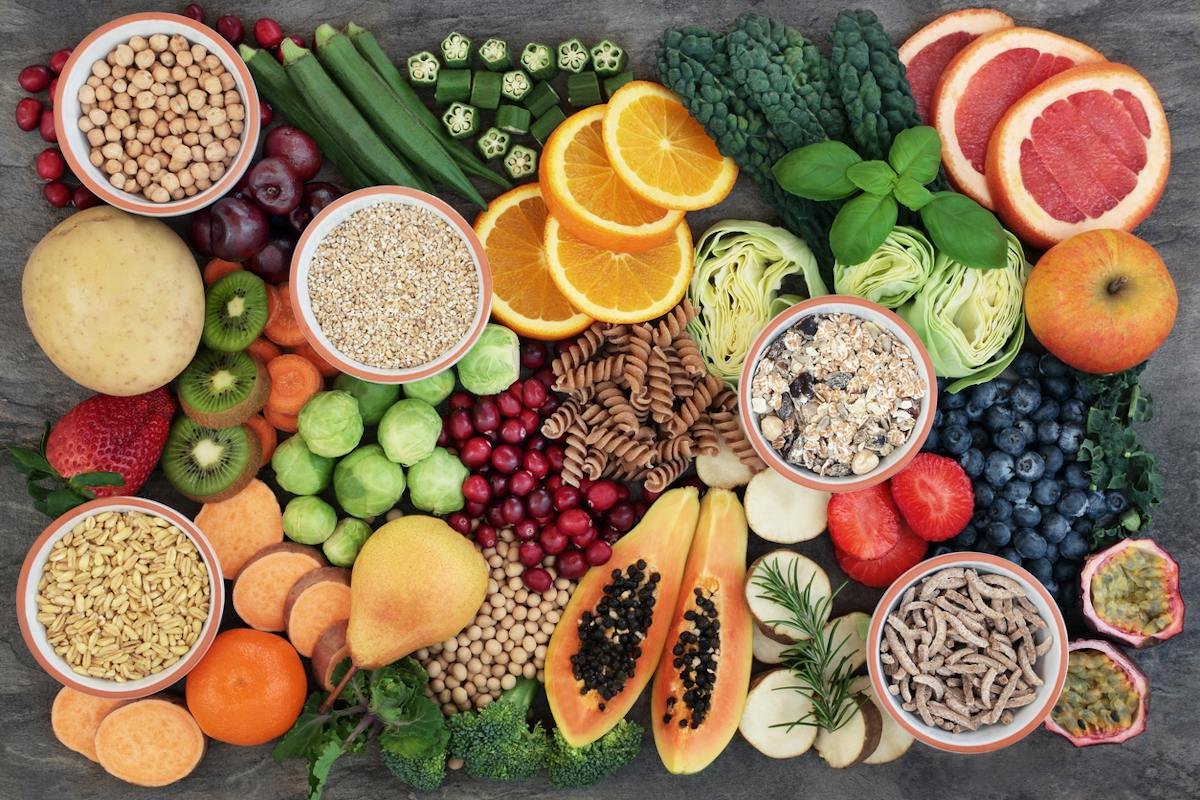
A bowl of beans can make your stomach feel louder before it helps it feel better. That does not mean beans are bad for you. It may mean you changed your meals too fast.
If you wonder how to eat more fiber, the best first step is often a smaller one.
Start With the Food You Already Eat
Adding fiber works best when the change fits your usual meals. Pick one food you enjoy, add a small amount, and let your gut adjust. A sudden shift from very little fiber to large servings can bring gas, pressure, and a strong urge to quit.
Think about breakfast before you rebuild your whole diet. Add a spoonful of oats to yogurt, or choose toast made with whole grains. Keep the rest of the meal familiar so you can notice how that one change feels.
At dinner, mix a few beans into soup instead of serving a huge bowl. Frozen vegetables and canned beans count, too. Rinse canned beans if you want to reduce some of their sodium.
Different Fibers Do Different Jobs
Fiber is the part of plant foods your body does not fully digest. Some types hold water, while others add bulk. You need a mix of foods rather than one perfect powder.
Oats, fruit, vegetables, beans, nuts, and seeds can all play useful roles here.
You may hear a lot about soluble fiber, which can form a gel in water. But a food rarely contains just one type. There is no need to sort each bite into a science chart.
Build variety across the week. Try lentil soup one day, berries the next, and a small handful of nuts later. This gives meals more range without turning gut health into a full-time project.
Give Your Gut Time and Fluid
Increase fiber in stages rather than chasing a daily target overnight. Drink fluids through the day, since water helps fiber work well in the bowel. Your needs vary with your health, activity, and climate.
Follow a doctor's fluid limits if you have been given them.
Keep a short note about changes for a week. Write down the new food, the serving size, and any discomfort. Patterns can help more than judging a meal after one gassy hour.
If beans and lentils bother you, start with a few spoonfuls. Cook them well and spread servings across meals. You do not have to force large portions to prove you are eating well.
Know When More Is Not the Answer
Fiber is helpful for many people. But it is not the answer to every bowel problem. Ongoing pain, bleeding, vomiting, or unexplained weight loss needs medical advice.
A sudden change in bowel habits also deserves attention, especially when simple food changes do not help you.
Do not keep adding bran to a painful belly. Some conditions need a tailored eating plan. Ask a registered dietitian or doctor what kind and amount of fiber makes sense for your symptoms.
Treat fiber supplements as tools, not proof that food has failed. They can affect how medicines are taken. A pharmacist can explain timing and product directions, while your meals remain the base of the plan.
Frequently Asked Questions
The goal is a fiber habit you can keep, not a perfect day on a tracking app. Small portions, gradual changes, and enough fluid often make the process easier. These answers address common starting points, but ongoing symptoms need advice that fits your own health.
How quickly should I add fiber?
Change one meal or snack first and see how you feel over several days. There is no need to double your intake at once.
Does bloating mean I should stop eating beans?
Not always, because serving size and the speed of change can matter. Try less, then seek advice if pain or swelling persists.
Can I get enough fiber without bran cereal?
Yes, many plant foods contribute fiber. Choose a varied mix that suits your budget, taste, and digestion rather than relying on a single product.