Bones can become weaker without making a sound. There may be no warning ache before a routine stumble leads to a fracture. bone health after 50 is therefore about more than how strong you feel today.
It includes food, movement, falls, and knowing when an check could change your care.
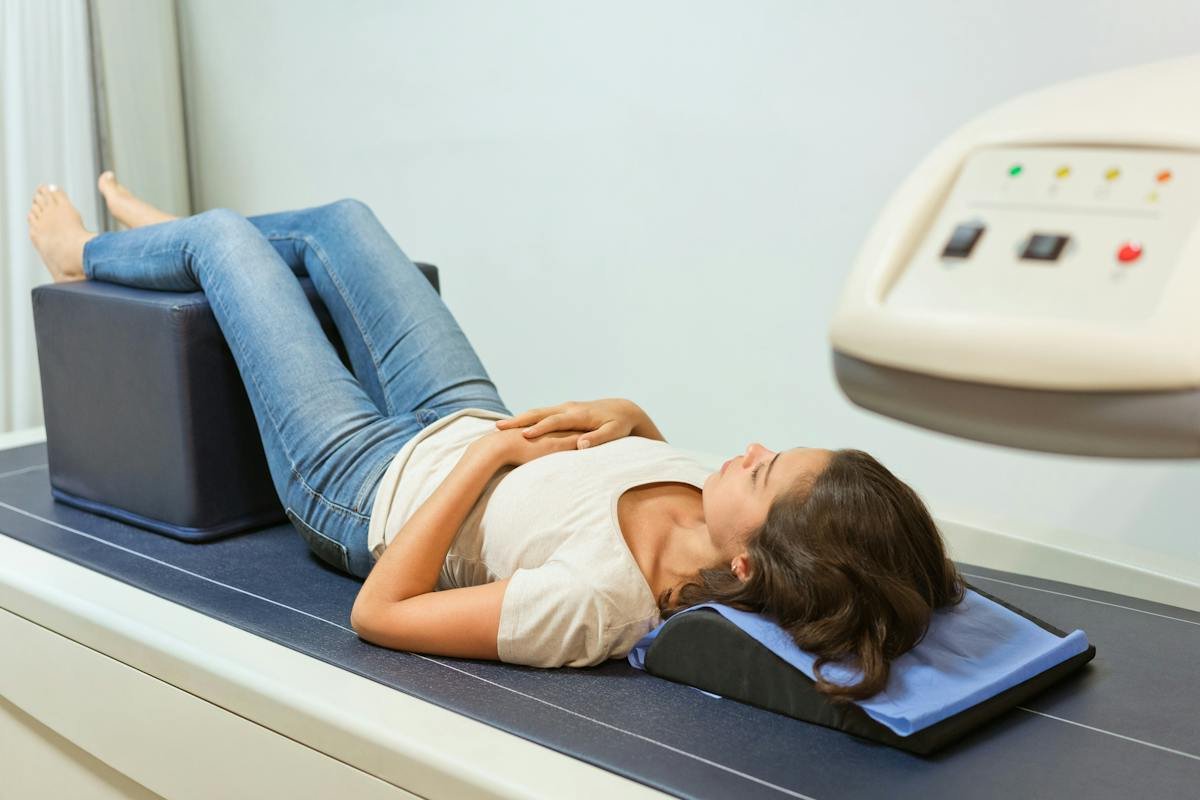
Learn What a Bone Check Can Tell You
bone density testing adds facts about fracture risk, but does not tell the whole story. Age, past fractures, drugs, and other factors matter too. Ask whether testing would help you.
A scan is most useful when the result can guide prevention, care, or follow-up in a clear personal care plan.
A diagnosis such as osteopenia or osteoporosis can sound alarming when it arrives as a label. Ask what it means in practical terms. The useful question is what steps can reduce your chance of breaking a bone.
Bring a history of fractures, falls, and drugs to the talk. Some details may seem unrelated until a doctor puts them together. Do not assume that only people who look frail need to discuss bone health.
Build Food Habits Around Your Needs
calcium intake, vitamin D, protein, and enough food support a bone-health plan. Needs vary with age, diet, health, and drugs. Review what you already eat before adding products.
Seek tailored advice if food restrictions or digestive problems make it hard to meet your needs in a practical and affordable way.
Look for foods you enjoy and can afford. Dairy foods or suitable fortified alternatives may contribute calcium, while other foods can help too. Check labels because alternatives differ in their nutrient content and are not always equivalent.
Do not assume a larger supplement dose is better. Ask about the amount you need and possible interactions. A small, planned change is more useful than a cupboard full of products taken without a clear reason.
Choose Movement That Fits Your Bones
weight-bearing exercise and resistance work may support bones, while strength and balance can help prevent falls. Match activity to ability and fracture risk. With osteoporosis, a past spine fracture, or major pain, get advice before high-impact exercise or forceful bending and twisting.
Support safe movement, not fear.
Walking may fit one person's day, while another needs a guided program. Avoid comparing routines without comparing health histories. The right challenge is one you can do safely and build on over time.
Ask a physical therapist or qualified doctor how to adapt known activities. You may be able to keep doing things you enjoy with changes. A diagnosis should lead to a thoughtful plan, not an automatic fear of every movement.
Keep Falls and Care in the Same Picture
fracture risk reflects both bone strength and the chance of falling. Review the home, vision, balance, and drugs alongside care. If osteoporosis drug is prescribed, ask about safe use, side effects, and follow-up.
Diet and exercise matter. But they do not make care unnecessary for every person with weak bones.
Keep follow-up visits even if you feel no different. Bone changes are not always something you can sense day to day. Ask what progress will be measured and what would prompt a change in care.
New back pain after a minor strain, loss of height, or a fracture after a small fall deserves attention. Seek care for new severe pain or inability to bear weight. Do not wait for a routine scan to assess an injury.
Frequently Asked Questions
Bone care connects food, movement, fall prevention, and care when needed. One supplement or a fit appearance cannot settle your risk. These answers cover common starting points.
Your history and chance of fracture should shape the details of testing, exercise, drugs, and follow-up over time as your needs change.
Can osteoporosis happen without pain?
Yes, it may remain unnoticed until a fracture occurs. Risk check and suitable testing can matter even when you feel well.
Should everyone take a large calcium supplement?
No, needs depend on diet and health. Review food intake and ask what amount, if any, is suitable before starting a supplement.
Is exercise enough if I have osteoporosis?
Exercise is valuable. But some people also need drug and other care. Discuss your fracture risk and a safe movement plan with your doctor.