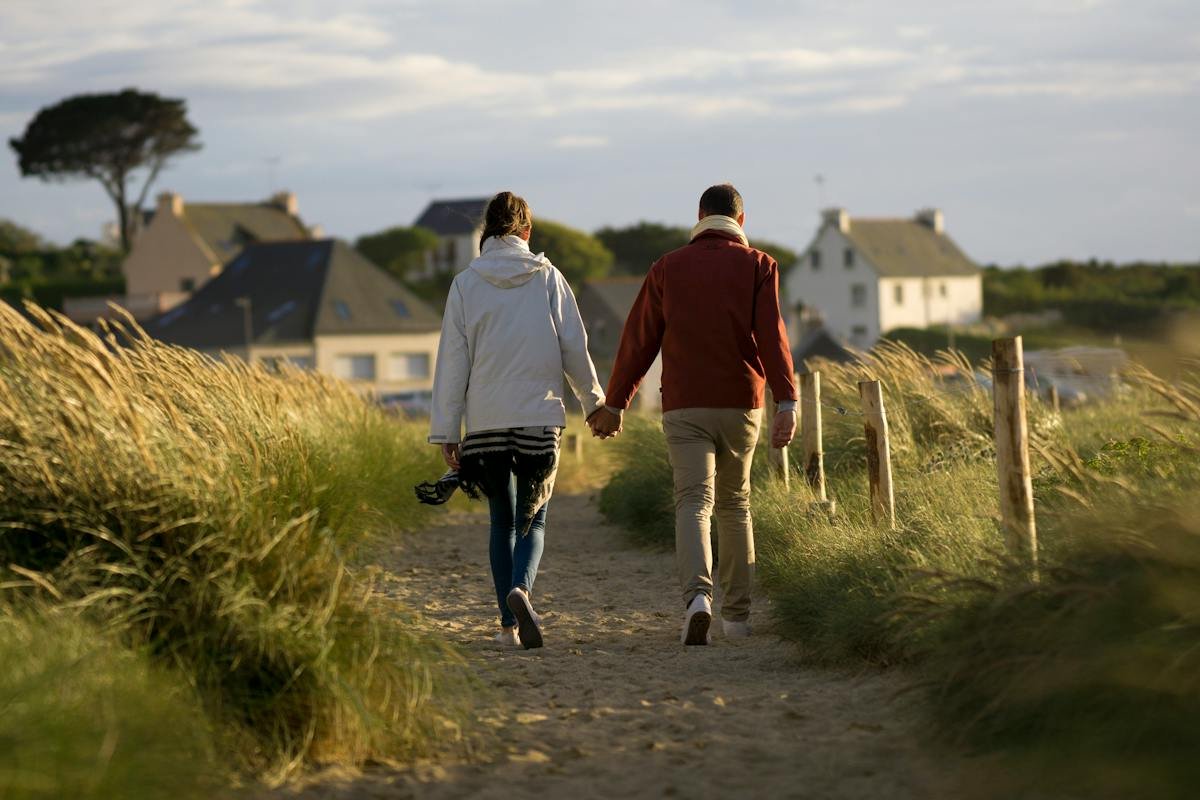
The dishes can wait ten minutes. Outside, the street is quieter than the kitchen, and the evening air feels cool on your face. Walking after meals can begin with that small pause.
It does not require a step contest, a tight schedule, or a promise to burn off dinner.
Keep the First Walk Easy
A short, gentle walk is a practical way to add movement to your day. Start at a comfortable pace and choose a route that feels safe. The best length is one you can manage without pain, distress, or the feeling that every meal now creates another task.
Try walking to the corner and back after one meal. If that is too much, move around your home for a few minutes. Mobility limits do not make the habit a failure; they change how you build it.
Let the walk be pleasant. Notice the light, call a friend, or go with someone you enjoy. A routine gains strength when it offers something more than a number on a watch.
A Small Habit Is Not a Treatment Plan
Light activity after eating may help some people manage their blood sugar response. But it does not replace prescribed treatment. Effects vary with the person, meal, timing, and activity.
Focus on adding gentle movement rather than expecting a short stroll to cancel out any food or medical risk.
Food is not a debt you must repay with exercise. That mindset can turn a useful habit into a source of guilt. Your body needs meals and movement, and the relationship is broader than one walk after dinner.
If you use medicine that can cause low blood sugar, ask how extra activity fits your plan. Keep the supplies your doctor recommends available, and learn what symptoms mean for you.
Make the Route Fit Your Life
A walking routine is easier to repeat when weather, light, and access have been considered. Choose an indoor route if the pavement is icy or the heat is intense. Supportive shoes, visible clothing after dark, and a phone can make a simple outing more comfortable and practical.
You might walk through a hallway, a mall, or a nearby park. At work, a loop around the building can fit better than a long trip outside. There is no special route that makes movement count.
If you feel full or reflux-prone, stay gentle and see how your body responds. A hard workout is a different demand from a post-meal walk. Do not force activity through nausea or pain.
Let the Habit Grow Without Pressure
Build from what you can repeat, then add time or pace only when it feels manageable. Small amounts of movement can sit within a broader weekly activity plan. Walking is useful, but strength, balance, and other forms of activity may also matter for your goals and health needs.
Set a cue you already have, such as putting your plate in the sink. Leave shoes near the door. On a packed day, a shorter walk can preserve the habit without turning it into an all-or-nothing rule.
Stop and seek help for chest pain, fainting, or severe shortness of breath. For ongoing joint pain or balance concerns, ask about a plan that fits your ability rather than copying someone else's pace.
Frequently Asked Questions
The value of a walk is not decided by a perfect start time or a large step total. A safe, enjoyable habit can be small and still worth keeping. These questions help you begin while leaving room for your comfort, schedule, and any personal medical advice.
Must I walk after every meal?
No, starting after one meal is reasonable. Choose a time you can repeat without making eating feel like the start of a chore.
Can I walk indoors instead?
Yes, a hallway or other safe indoor space can work. Pick a route with clear floors and enough room to turn comfortably.
Will a short walk guarantee weight loss?
No, weight change depends on many factors over time. Movement has value even when the number on the scale does not change.