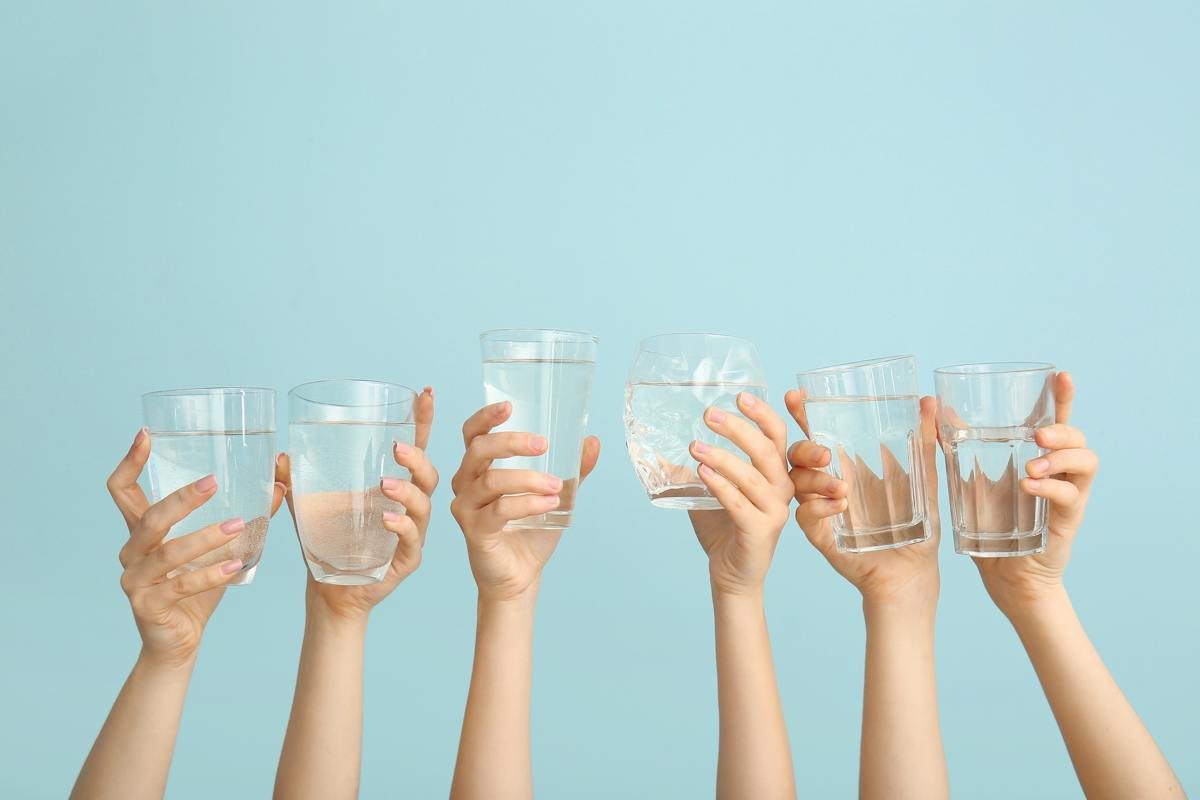
Your water bottle can be full while your day is nearly over. It sat beside your laptop, unseen between calls. Before you buy a larger one, ask a simpler question: how much water do you need, and what would make drinking easier in the life you already have?
Your Needs Are Not a Fixed Bottle Count
Fluid needs change with heat, exercise, body size, pregnancy, and illness. Drinks and foods both supply water, so a bottle total tells only part of the story. Most healthy adults can use thirst as one guide, while some people need a more deliberate plan each day.
An outdoor shift in July is different from a quiet day indoors. So is a long workout compared with a short walk. Treat online water targets as broad context, not orders that override your own care plan.
Some heart or kidney conditions require fluid limits. If you have one, follow the advice from your care team. Drinking more is not automatically safer, and forcing large amounts can cause harm.
Build Cues Into What You Already Do
Hydration habits last longer when they connect to familiar moments. Keep water where you eat or work, take a drink with a meal, and bring a bottle when you leave home. The aim is easy access, not constant sipping that turns your day into a chore.
Try a glass at breakfast and another when you return from a walk. If you forget, move the bottle to a place you can see. A cue only helps when it survives a busy morning.
Notice thirst cues rather than trying to silence every small sensation with a drink. Dry mouth can have other causes, including medicines. Ask for advice if it is new, strong, or hard to explain.
Food Counts, and Flavor Can Help
Water-rich foods contribute fluid as well as other nutrients. Fruit, vegetables, soup, and yogurt can all add to your intake. Plain water remains a useful everyday drink, but a healthy pattern does not depend on avoiding every flavored option or finishing a set number of identical glasses.
A slice of lemon, chilled cucumber, or unsweetened tea can make a drink more appealing. Compare labels on flavored products. Some contain added sugar or caffeine that may matter for your wider goals.
Electrolyte drinks are not essential for every short walk or normal workday. Long periods of heavy sweating or fluid loss may need a different approach. Ask a doctor about illness-related dehydration instead of guessing at a sports drink fix.
Watch the Situation, Not Just Urine Color
Urine color can offer a rough clue, but foods, supplements, and medicines can change it. Look at the whole picture, including thirst, heat, activity, and how you feel. Marked weakness, confusion, fainting, or an inability to keep fluids down calls for prompt medical help rather than another bottle challenge.
Plan ahead if you care for someone who cannot easily get a drink. Keep a cup within reach and offer choices. Older adults may need reminders, especially during hot weather or illness.
Your best plan is usually simple: make drinks available, respond to changing conditions, and follow your health guidance. There is no prize for ignoring comfort to reach a number on an app.
Frequently Asked Questions
Hydration advice should make daily life easier, not create a new source of worry. Start with access to drinks, regular meals, and a plan for hot or active days. These answers explain common questions, while your own medical instructions take priority when they set different limits.
Does tea count toward fluid intake?
Yes, tea contributes water. Caffeinated tea may still affect sleep or cause other symptoms, so consider the amount and time you drink it.
Must my urine always be clear?
No, perfectly clear urine is not a goal you need to chase. Color is only one clue and can change for several reasons.
Should I drink before I feel thirsty?
Regular opportunities to drink can help when you are busy or in heat. Some people need planned intake, especially if thirst is less reliable or access is limited.