The small handful of seeds on your soup may deserve more attention than the bright tub of powder beside it. Basic foods can supply magnesium without making bold claims about sleep, stress, or weight.
Magnesium rich foods give you a useful place to start. You do not need to track each bite. Build a few foods into meals you already eat, then check whether a supplement has any clear role for you.
What magnesium does, and what hype adds
Magnesium helps your nerves, muscles, and many other body processes work; getting enough matters, but vague symptoms do not prove you lack it. Foods can support your intake without turning each meal into treatment. Claims that one mineral fixes sleep, mood, and weight all at once go too far.
A food first approach keeps the goal grounded. Beans, seeds, nuts, and greens bring other nutrients to the plate as well. They can earn a place because you like them, not because they promise a reset.
Leg cramps or tiredness may send you looking for an answer. Those symptoms have many likely causes. Taking more magnesium will not sort out which one applies.
Try a simpler question at the store: which of these foods would I use this week? A bag of seeds is not a good buy if it stays sealed for months.
Choose one change you can repeat, such as beans in soup or nuts with fruit. You can build from there.
Find sources in your normal shopping basket
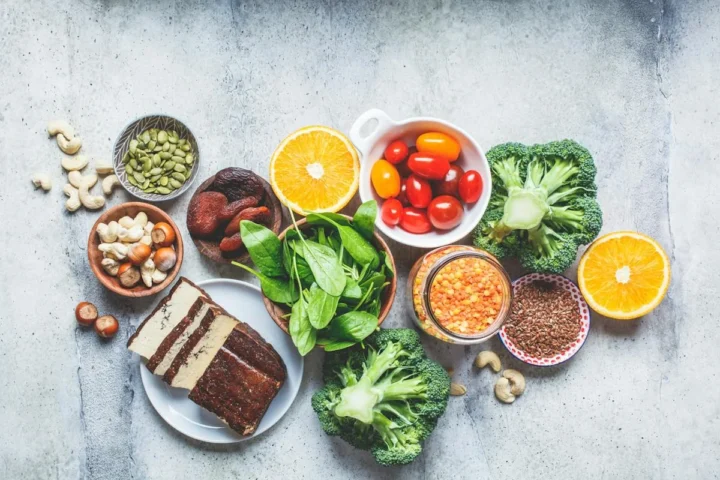
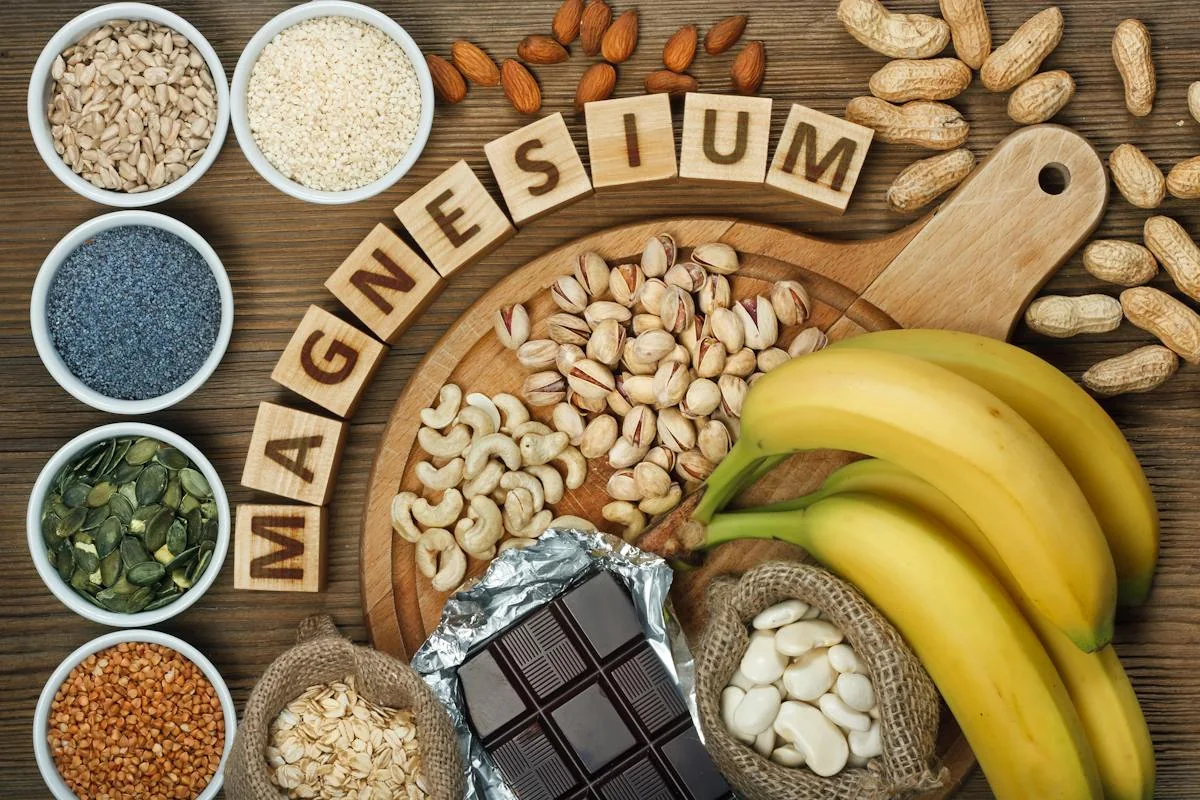
Seeds, nuts, beans, whole grains, and leafy greens can all contribute to magnesium intake. The amounts differ by food and serving size, so variety helps. You do not need rare ingredients or a large serving of one item to make your overall food pattern more useful and enjoyable.
Pumpkin seeds can top a salad or a bowl of yogurt. Store them where you will see them, and use a small spoon rather than eating from a large bag without noticing.
Choose whole grains you enjoy. Brown rice, oats, or whole wheat bread may fit, but there is no need to force a food you dislike.
Frozen spinach can join eggs or soup. Rinsed canned beans can become a quick lunch with rice and chopped tomatoes. Keep food safety and storage instructions in mind.
If nuts are unsafe because of an allergy, use other sources. You have several options. Our Nutrition & Healthy Eating collection offers more ways to build meals around the foods that suit you.
Make a modest plan that survives a busy week
A useful plan adds magnesium sources to meals you already make; pick a breakfast, lunch, or snack where a small change feels easy. Prepare only what you can store safely and use. Repeat the change before adding more rules, shopping tasks, or foods that require extra work.
For breakfast, add oats or a suitable whole grain cereal to your usual rotation. For lunch, fold beans into soup. For a snack, pair fruit with nuts if you can eat them safely.
There is no need to use all three changes on day one. Choose the meal that causes the least friction. Keep a backup option for days when you cannot cook.
You might keep a can of beans and a microwave grain pouch in the pantry. They can make a meal with frozen greens and a sauce you like.
If your diet excludes several food groups, ask a dietitian to review the whole pattern. Our guide to plant based iron foods covers a different mineral that also deserves attention in plant focused meals.
Know the limits of supplements
Magnesium from food and magnesium supplements do not carry the same risk profile; supplements can cause diarrhea and interact with some medicines. Kidney disease can make excess magnesium especially risky. Ask a doctor or pharmacist about your needs and products before using a high dose or combining several supplements.
Count what is already in your multivitamin, antacid, or laxative. A product can contain magnesium even when its front label focuses on another use.
The label may list a compound and an amount of actual magnesium. If that is unclear, take the package to a pharmacist rather than guessing.
Do not use a supplement to cover up new weakness, fainting, a racing heart, or ongoing gut trouble. Seek care for symptoms that are severe or new. A food article cannot tell you their cause.
Keep the next step small: choose one food, one meal, and one week to try it. Notice whether you actually enjoy and use it. That is a sound basis for a lasting habit.
Frequently Asked Questions
Food choices, symptoms, and supplement labels can raise different questions about magnesium. These answers keep those questions separate so that a useful meal idea does not become a claim to treat disease. A doctor can help when your health history, medicines, or eating limits make your needs less clear.
Will eating more magnesium cure insomnia?
No food can promise that result. A good diet supports health, but ongoing sleep trouble deserves a broader look at sleep habits, symptoms, and possible medical causes.
Are pumpkin seeds better than every other source?
They are one useful option, not a requirement. Choose a range of foods that fit your taste, budget, allergies, and eating needs.
Can I take magnesium if I have kidney disease?
Ask your care team before taking a supplement or a magnesium containing medicine. Your kidneys help control mineral levels, and your plan may need special limits.
Sources and further reading: Santé Magazine — topic and image source, Medical reference 1.
For general information. This article does not replace personal medical care.