A bowl of beans can hold plenty of iron, yet your body will not use every bit of it. What shares the plate matters, too. A few strips of red pepper can help make a simple meal work harder.
Plant based iron foods fit far more meals than a plain bowl of spinach. The useful shift is to build meals you enjoy, then add small changes that help your body use the iron they provide.
What makes plant iron different?
Plants supply nonheme iron, which your body absorbs less readily than the iron found in meat. Vitamin C can help your body take it in. Eating a range of iron sources across the week matters more than finding one food with a huge number on its label.
Iron helps your blood carry oxygen. You need enough for normal health, but more is not always better. Your needs change with age, periods, pregnancy, and some health conditions.
Think of iron absorption as one part of the picture. The amount you eat, what you eat with it, and your body’s stores all play a role.
A meal does not fail because it lacks an ideal pairing. You do not need a chart beside your fork. Start with the foods you already buy and give them a clear place in your week.
For example, if beans sit unused in the pantry, plan one bean meal before buying a new supplement. A food you eat is more useful than a perfect plan you never start.
Build a plate around foods you like
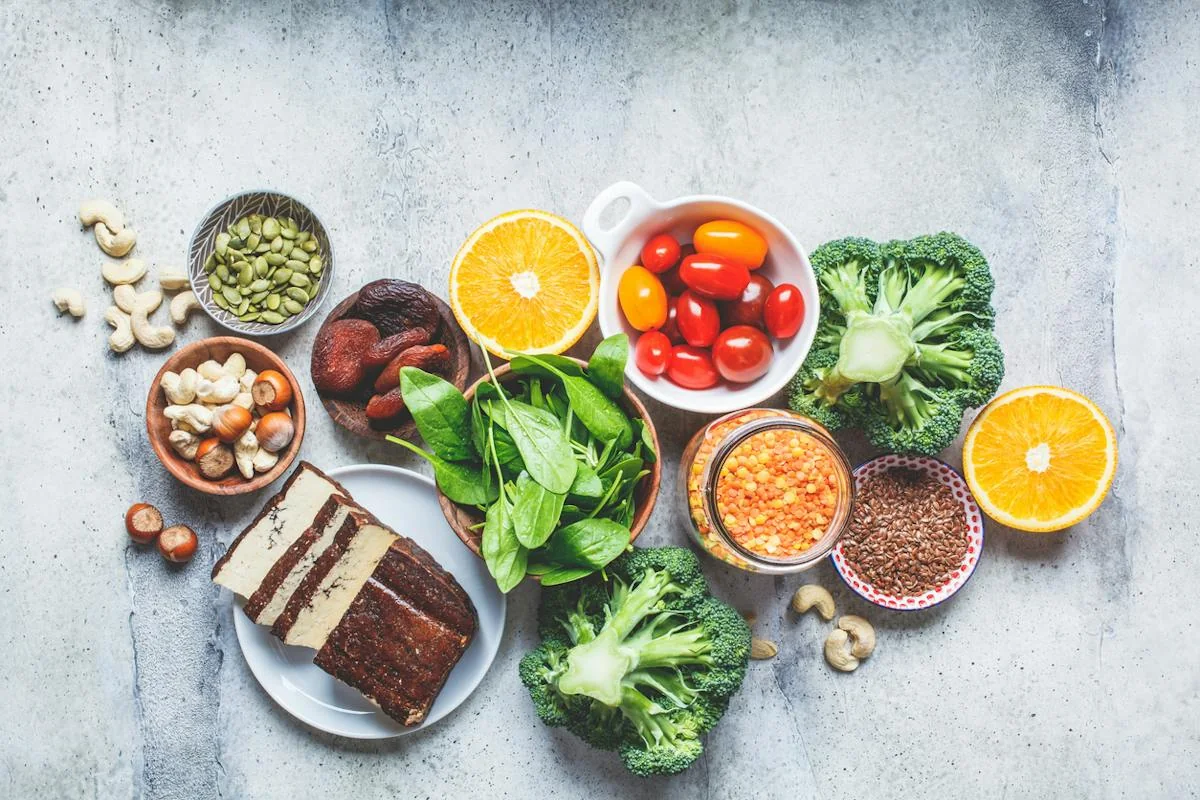
Beans, lentils, tofu, and some fortified grain foods can all add iron to meals. Read labels to compare products, since amounts vary. Choose foods that fit your budget and taste, then use them often enough to become part of your routine rather than a short health project.
Try lentil meals that feel warm and filling. Make soup with canned tomatoes, or serve lentils with rice and roast peppers. Frozen vegetables can keep prep simple.
Tofu can go into a quick stir fry. White beans can thicken soup or join a salad. You can mash chickpeas with lemon and herbs for a sandwich filling.
If you like fortified cereal, check the serving size as well as the iron amount. Two boxes with similar names may offer quite different amounts.
Nuts and seeds can add variety, though they need not carry the whole plan. Keep the portion and the whole meal in view. Explore more everyday meal ideas in our Nutrition & Healthy Eating section.
Pair iron with a simple vitamin C source
Vitamin C foods can improve the use of iron from plants when eaten in the same meal. Peppers, citrus fruit, berries, and broccoli offer easy options. A whole fruit or some vegetables will do; you do not need a special powder, large juice, or costly drink.
Add orange slices beside breakfast. Stir tomatoes into bean soup. Serve a small bowl of berries after lunch.
The aim is a useful habit, not a strict food rule.
Tea and coffee can reduce the use of nonheme iron at a meal. If your iron is low, ask whether moving them away from your main iron sources would help your plan.
Do not strip healthy foods from your diet because a chart says they contain an iron blocker. Overall food patterns count. A dietitian can help if several limits make meals hard.
One easy shopping list might include lentils, tofu, peppers, and oranges. You can use these in several meals without cooking a new recipe each day. Adjust for allergies and what is on sale.
Know when food advice is not enough
Tiredness, weakness, and shortness of breath can have many causes, including low iron. Food choices cannot tell you which cause applies. Ask a doctor about symptoms, blood loss, and whether tests are needed before treating yourself with iron pills or assuming a plant based diet is the problem.
Bring a brief account of your meals and symptoms. Mention heavy periods, frequent blood donation, gut problems, and any supplements you take. These details can help guide the next step.
A doctor may check blood counts and iron stores. Results need context, so avoid using a single online cutoff to decide your dose.
Iron pills can cause harm when taken without need. Keep them away from children. If you already have a treatment plan, do not replace it with a large spinach salad and hope for the best.
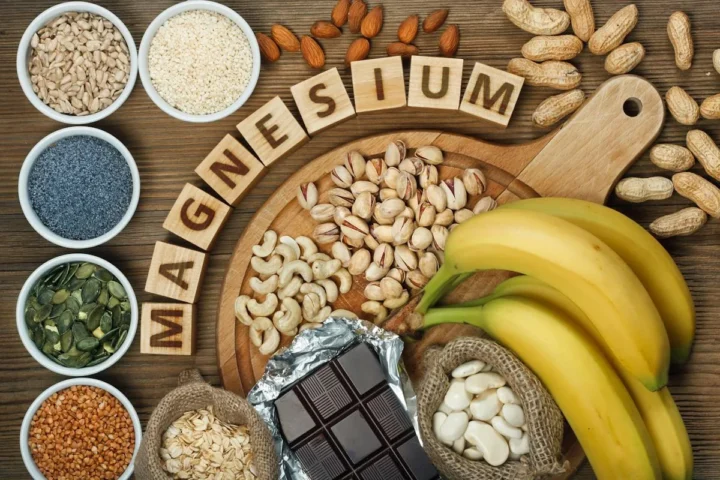
For a broader food plan, read our guide to magnesium rich foods. Each mineral has its own role; neither works as a cure for all fatigue.
Frequently Asked Questions
Plant sources can help meet iron needs, but a meal plan and a medical diagnosis serve different jobs. These answers address common choices about spinach, supplements, and pairing foods. If tests show low iron, use food changes alongside the treatment and follow up your doctor advises for you.
Is spinach the best plant source of iron?
It can contribute, but the body does not absorb all its iron well. Use a mix of beans, lentils, tofu, and fortified foods rather than relying on spinach alone.
Should every vegetarian take an iron pill?
No. Needs vary, and supplements should reflect your health, diet, and test results when needed. Ask for advice before adding a high dose.
Do I need vitamin C at every meal?
No meal needs to be perfect. Pairing a plant iron source with fruit or vegetables is a useful habit, especially when you are working to improve a low intake.
Sources and further reading: Santé Magazine — topic and image source, Medical reference 1.
For general information. This article does not replace personal medical care.