The headlights look brighter. But the road seems harder to see. A changing lens inside the eye can scatter light in ways that make nighttime driving uncomfortable before daytime reading becomes difficult.
Early cataract symptoms can be subtle, and a new pair of glasses may not explain every change.
An eye examination can identify whether cataract is involved and check for other causes. Do not assume that every gradual vision problem is simply age or that every cataract needs immediate surgery.
Understand what becomes cloudy
A cataract is clouding of the eye's natural lens, which sits behind the iris and helps focus light. It is not a film growing over the front of the eye. An examination is needed because other eye conditions can cause similar vision problems.
The change can develop gradually and affect one or both eyes.
A cloudy lens may affect clarity, contrast, color, or glare. Symptoms vary with the location and extent of the clouding, not only a person's age.
Some people first notice that colors seem less vivid. Others need brighter light to read or find that their glasses prescription changes more often.
Describe the actual task that has become harder: reading labels, recognizing faces, seeing steps, or driving after dark. Functional examples help an eye professional understand the impact beyond a chart result.
Look for glare, blur, and changing contrast
Cataracts can cause blurred vision, glare, halos around lights, difficulty seeing at night, and changes in color perception. New visual changes should be assessed rather than attributed to cataract without an examination, especially if the onset is sudden or symptoms are unusual.
Glasses may improve some early symptoms but do not remove the clouding itself.
Nighttime glare can make headlights appear scattered or dazzling. If driving no longer feels safe, avoid it until you have appropriate advice rather than trying to push through.
A person may see well enough in a bright clinic yet struggle in dim or low contrast conditions. Mention those circumstances during the visit.
Do not compare symptoms only with a friend who already had surgery. Two cataracts can affect different tasks, and other eye conditions or general health issues may influence the best timing for care.
Get a complete eye assessment
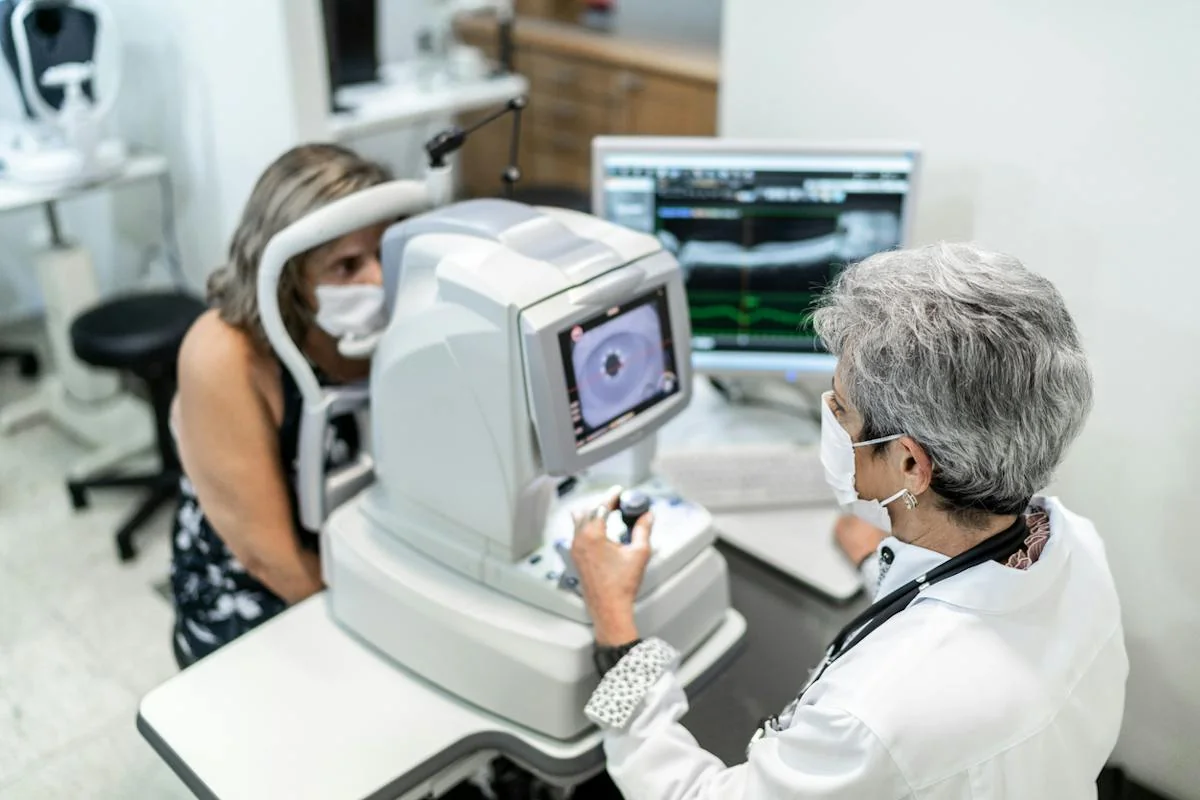
An eye examination can assess vision, the lens, and other structures, sometimes using pupil dilation. Cataract may coexist with glaucoma, retinal disease, or diabetic eye changes, so identifying clouding does not automatically explain every part of a person's visual difficulty.
The doctor considers symptoms, medical history, medicines, and other eye conditions.
Bring your current glasses and a list of medicines. Tell the doctor about diabetes, eye injuries, previous surgery, and steroid treatment if relevant.
Ask whether dilation will affect driving afterward and arrange transport if needed. The practical details can make attending the appointment much easier.
An eye examination should lead to an explanation of what is causing the symptoms and what can reasonably improve them. If another condition limits vision, that may affect expectations for cataract treatment as well as the need for separate care.
Discuss surgery around daily function and goals
Cataract surgery removes the cloudy natural lens and replaces it with an artificial lens. The decision usually considers how much vision affects daily activities, the eye's health, and the person's preferences. A cataract does not need to reach a traditional stage of being ripe before discussion.
Benefits, risks, lens choices, and recovery should be explained individually.
Cataract surgery is common. But it is still surgery. Ask about possible complications, expected vision, and whether glasses may still be needed afterward.
Lens options can involve tradeoffs in focus, glare, cost, and suitability. A more expensive option is not always best for every eye or lifestyle.
Tell the surgeon what you most want to do comfortably, whether reading, driving, sewing, or another task. Those priorities help make the discussion concrete and prevent a decision based only on a technical description of the lens.
Protect safety while monitoring vision
Early care may include an updated prescription, improved lighting, glare reduction, and a planned review. These measures can help function but do not reverse cataract. Seek urgent care for sudden vision loss, severe eye pain, a new curtain across vision, or flashes with many new floaters.
Those symptoms should not be assumed to come from a routine cataract.
Use steady lighting on stairs and reduce trip hazards if contrast has become difficult. Ask for help with tasks where unclear vision could cause injury.
Keep follow up appointments even when changes are slow. A review can assess both cataract progression and other eye health concerns.
Vision changes deserve an explanation that matches the timing and symptoms. Cataract is one possible answer, and often a treatable one. But a clear plan starts with an examination rather than a guess based on age.
Frequently Asked Questions
Cataract symptoms develop differently between people, and the decision about treatment depends on function as well as examination findings. Gradual glare or blur warrants an eye appointment, while sudden loss, severe pain, or a curtain in vision needs urgent assessment for causes that may be unrelated to cataract.
These answers cover common misconceptions.
Can new glasses cure a cataract?
They may improve some early visual difficulty but do not remove the cloudy lens. Surgery is the treatment that replaces it when appropriate.
Must I wait until a cataract is very advanced?
Not necessarily, because timing depends on symptoms, eye health, and daily needs. Discuss the benefits and tradeoffs with an eye professional.
Is sudden vision loss a normal cataract symptom?
No, sudden loss needs urgent medical review. Do not wait for a routine cataract appointment if vision changes abruptly.
Explore more in Healthy Aging.
Updated