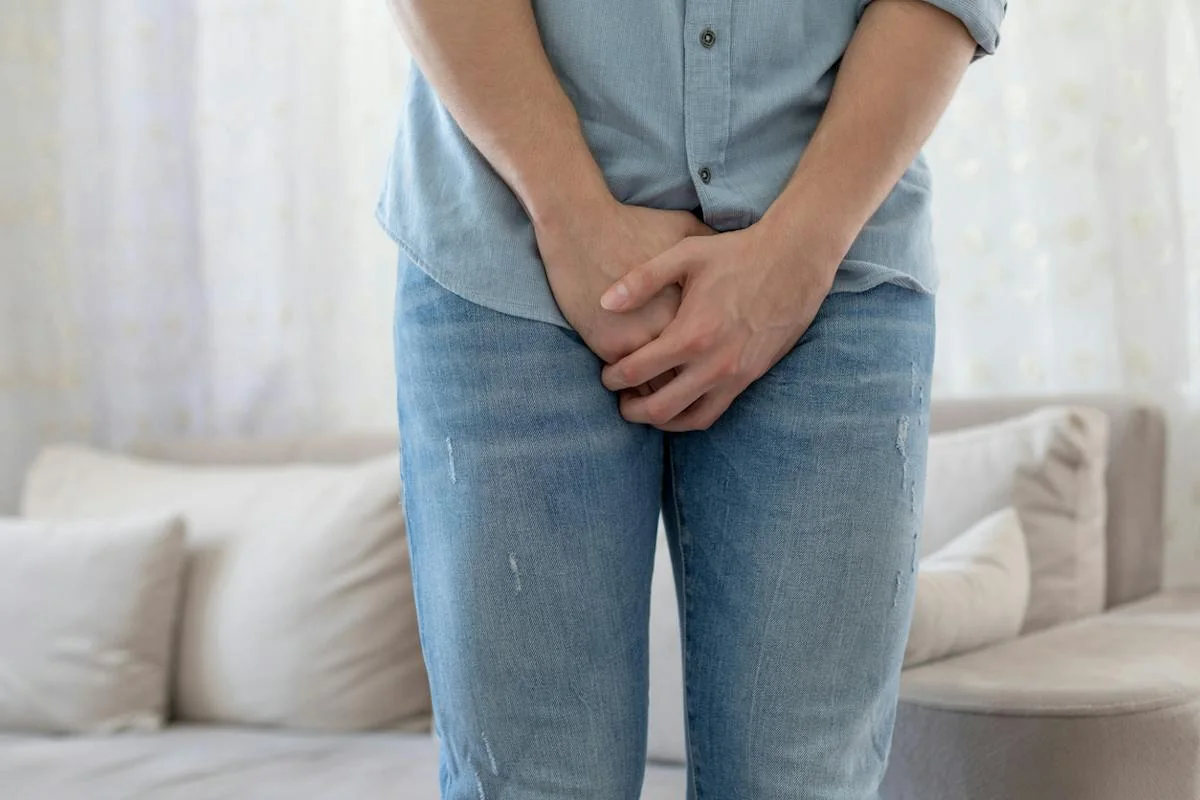
Burning when you urinate is easy to blame on not drinking enough. But water is not a diagnosis. UTI symptoms in men deserve medical attention because infection, prostate involvement, obstruction, and sexually transmitted infections can produce overlapping discomfort.
The right treatment depends on the cause and severity. A leftover antibiotic from a previous illness may be ineffective, interfere with testing, or delay care for a problem that needs a different approach.
Recognize the pattern without assuming the cause
A urinary tract infection may cause burning, frequent or urgent urination, lower abdominal discomfort, and cloudy or bloody urine. A clinician may need a urine sample and an assessment of fever, pain, sexual exposure, and bladder emptying to identify the cause and choose treatment.
These symptoms can overlap with other conditions.
Painful urination can also occur with urethral irritation or a sexually transmitted infection. Discharge, recent new partners, or unprotected sex are useful details to share without embarrassment.
Urine odor alone cannot confirm infection. Food, medicines, concentration, and other factors can change it, so treatment should not be chosen from smell alone.
Write down when symptoms began and whether they are getting worse. Include difficulty starting the stream or feeling that urine remains, because those clues can suggest a problem beyond a simple bladder infection.
Get testing before taking leftover treatment
A urine test and sometimes a urine culture help identify infection and guide antibiotic choice. Testing should be arranged promptly when symptoms suggest infection, especially in a man. When possible, provide a sample before starting antibiotics, but do not delay urgent treatment if a clinician says immediate care is required.
A urine culture can identify bacteria and help show which antibiotics may work. Results may lead to a change in the initial prescription.
Tell the doctor about recent antibiotics, previous resistant infections, urinary procedures, and medication allergies. These details can affect the safest choice.
If sexual infection is possible, urine testing for an usual UTI may not answer every question. Ask whether extra tests are needed and follow advice about sexual contact while awaiting results or completing treatment.
Watch for prostate or kidney involvement
Fever, chills, flank pain, vomiting, or feeling very unwell may suggest infection beyond the bladder. Prostate infection can cause pelvic or perineal pain, urinary symptoms, and fever. These patterns need prompt assessment because the treatment and urgency may differ from a lower urinary infection without systemic symptoms or complications.
Prostatitis is not the same as benign prostate enlargement. A doctor considers the symptoms and examination rather than assuming every urinary problem is caused by the prostate growing with age.
A kidney infection can become serious. Seek urgent care for fever with back or side pain, vomiting, marked weakness, confusion, or rapidly worsening symptoms.
If you cannot pass urine, especially with a painful lower abdomen, seek urgent medical attention. Do not keep drinking large amounts while waiting for an obstruction to resolve on its own.
Follow the prescribed plan and check the response
Antibiotic treatment should follow the clinician's directions, including any change after culture results; do not share antibiotics or save part of a prescription for another episode. Ask when improvement should begin and when to contact the care team if it does not. Worsening symptoms or new fever require earlier review.
Antibiotic treatment may need to differ when the prostate or kidneys are involved. A medicine that reaches one site well may not suit another, which is why choosing by an old prescription is unreliable.
Drink an appropriate amount for your health and follow any fluid restrictions you have. Water may help maintain comfort and hydration. But it does not replace treatment when infection requires antibiotics.
If a medicine causes a concerning reaction, contact a professional promptly. Seek urgent help for signs of a severe allergic reaction rather than waiting for the next scheduled dose.
Investigate repeated episodes rather than repeating guesses
Recurrent urinary infections may lead to assessment for incomplete bladder emptying, stones, obstruction, or other contributing conditions. The plan depends on your history and test results. Repeated symptoms without confirmed infection may require looking for a different cause instead of repeating antibiotics.
Keep records of confirmed infections and cultures when available.
A brief bladder diary can show frequency, fluid intake, and nighttime trips. Use it if requested, without delaying assessment during an acute illness.
Discuss any ongoing difficulty emptying, even when the burning improves. Treating infection and identifying why it occurred can be separate parts of care.
The goal is not only to make the current episode less painful. It is to choose the right treatment, recognize complications early, and reduce the chance that an underlying problem is missed beneath repeated prescriptions.
Frequently Asked Questions
These answers explain why testing, urgency, and follow up matter, especially when symptoms occur with fever, difficulty emptying, or sexual exposure. A clinician can distinguish a bladder infection from conditions requiring different treatment. Seek earlier care if symptoms worsen rather than waiting for a home remedy to work.
Urinary discomfort needs a cause based plan.
Can drinking more water cure a UTI?
Water does not reliably cure an infection that requires antibiotics. Stay appropriately hydrated and arrange medical review.
Does burning always mean a bladder infection?
No, sexually transmitted infections, irritation, and other conditions can cause burning. Testing and history help guide the diagnosis.
Should I seek urgent care for fever and side pain?
Yes, those symptoms may indicate kidney involvement or another serious problem. Prompt assessment is important, especially with vomiting or feeling very unwell.
Explore more in Men’s Health.
Updated