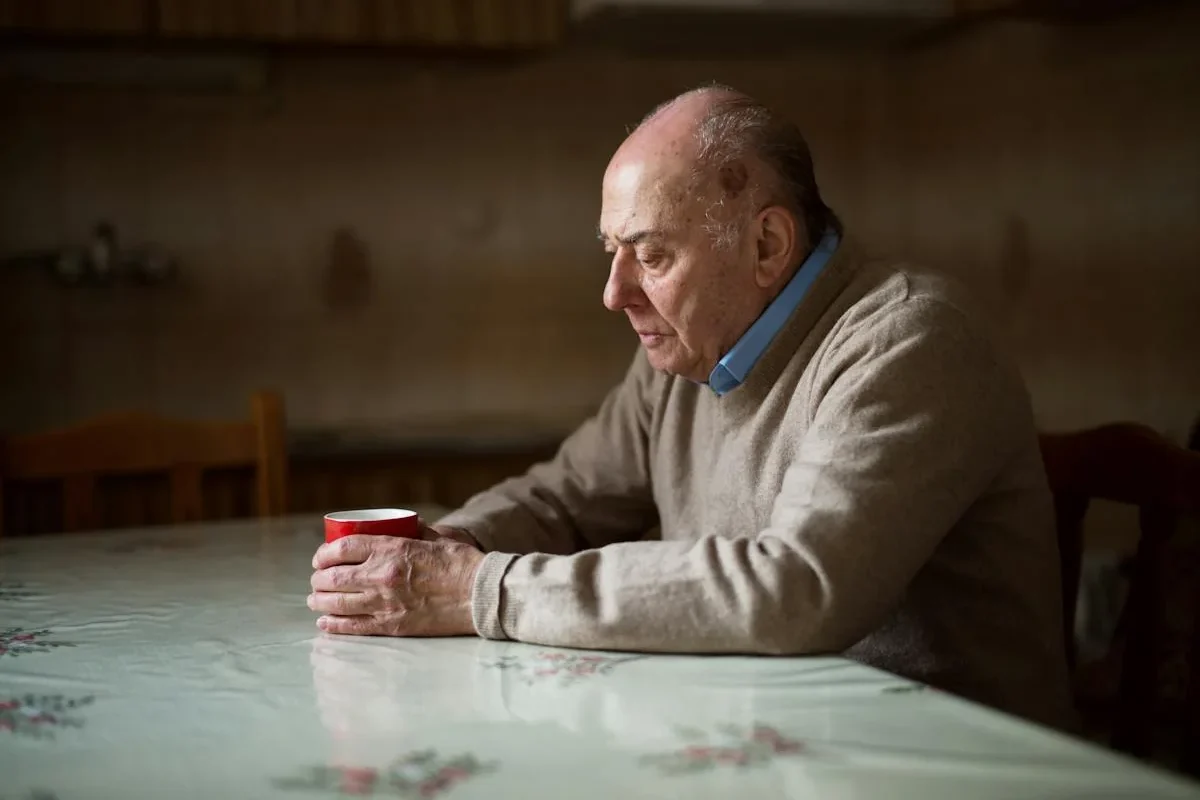
A full calendar can hide a lonely week. You can speak to many people and still miss feeling understood, while a quiet afternoon alone can feel deeply restful. The difference between loneliness vs being alone is not simply the number of people in the room.
Connection has a personal shape. The useful question is whether your relationships and daily life provide the contact, safety, and belonging you need, and what is getting in the way when they do not.
Separate unwanted loneliness from chosen solitude
Loneliness is the distress of feeling that your social connection falls short of what you need. Social isolation describes limited contact or relationships, which may or may not feel lonely. These experiences can overlap, but they are not interchangeable measures of a person's well being.
Chosen solitude can be enjoyable and restorative.
Someone living alone may have strong friendships and feel supported. Someone living with family may feel emotionally cut off. Neither arrangement tells the whole story.
Chosen solitude often includes a sense of choice and the ability to reconnect. Unwanted loneliness may feel like being unable to reach the kind of contact you want.
Avoid treating a preference for quiet as a problem that must be corrected. Instead, notice whether being alone feels nourishing, painful, or difficult to change. Your answer may differ across days and life stages.
Identify the connection that is missing
Meaningful connection can come from friendship, family, neighbors, shared interests, or a sense of contribution. A person may need one trusted conversation more than a large gathering. Naming the missing element helps you choose a realistic step instead of adding social events that leave the same need unmet afterward.
Ask whether you miss companionship, practical help, affection, shared humor, or being able to speak honestly. These needs call for different kinds of contact.
If you have recently moved, a familiar local routine may help. If you are caring for someone, you may need respite before you have the energy for friendship. If you are grieving, an understanding group may feel easier than a lively event.
Social support includes practical help as well as emotional closeness. A reliable ride to an appointment can matter greatly, even when it does not resemble the kind of friendship pictured online.
Make contact small enough to repeat
A useful first step is specific, manageable, and repeatable. Invite someone for a short walk, attend a regular local activity, or arrange a brief call at a predictable time. Repeated low pressure contact often offers more opportunity for familiarity than one ambitious event that leaves you too exhausted to return.
Choose community activities around an interest rather than around pressure to become more outgoing. A library group, class, volunteer task, or accessible walking group can give conversation a natural focus.
An invitation can be simple: I am going for a short walk on Saturday; would you like to join me? A clear plan is easier to answer than an open ended promise to meet sometime.
Expect some attempts not to fit. A declined invitation or an awkward first visit does not prove that connection is impossible. Adjust the setting, timing, or activity and allow familiarity to develop.
Address barriers instead of blaming yourself
Loneliness can reflect barriers such as poor transport, hearing difficulty, disability, language, caregiving, discrimination, or financial strain; more effort alone may not solve these problems. Look for accessible settings, practical assistance, and relationships where you feel safe. Online contact can help when it provides genuine interaction and fits your circumstances.
If background noise makes conversation hard, a quiet setting may change the experience more than trying harder to listen. If leaving home is difficult, a scheduled video call or telephone group may be useful.
Social isolation can grow when pain or fatigue makes every outing costly. Ask about services or groups designed for your needs, and consider whether a doctor can help address the limiting condition.
Do not measure your life against a stream of photographs. A crowded image says little about the quality of a person's relationships. Focus on contact that leaves you feeling respected and more connected.
Seek support when loneliness becomes overwhelming
Persistent loneliness can occur alongside depression, anxiety, grief, and other health concerns. Seek professional support if it is affecting sleep, appetite, functioning, or your ability to care for yourself. A clinician can assess related symptoms and help identify support, while practical changes can address the barriers that make connection difficult.
You do not need to wait until you have no contacts at all. Feeling disconnected within a busy life is also worth discussing.
If you are supporting someone else, ask what kind of contact would help rather than deciding for them. Offer a specific, reliable action and follow through. Listening may be more welcome than advice to get out more.
Building meaningful connection is often a series of modest steps. Protect the quiet time you enjoy, make room for relationships you want, and ask for help when the gap between the two becomes painful.
Frequently Asked Questions
A person's social needs cannot be read from household size or the number of friends listed online. A quieter life can be satisfying, while a socially busy one can feel lonely. The goal is a level and kind of connection that supports your well being.
These answers focus on choice, quality, and barriers.
Is living alone unhealthy?
Living alone does not always mean being lonely or unsupported. The quality of your relationships, access to help, and your own preferences matter.
Do online friendships count?
Yes, they can provide real support and belonging. Notice whether the contact feels safe, reciprocal, and helpful rather than leaving you more isolated.
How can I help a lonely friend?
Offer a specific, manageable plan and listen to what they need. Keep contact reliable, while respecting their preferences and capacity.