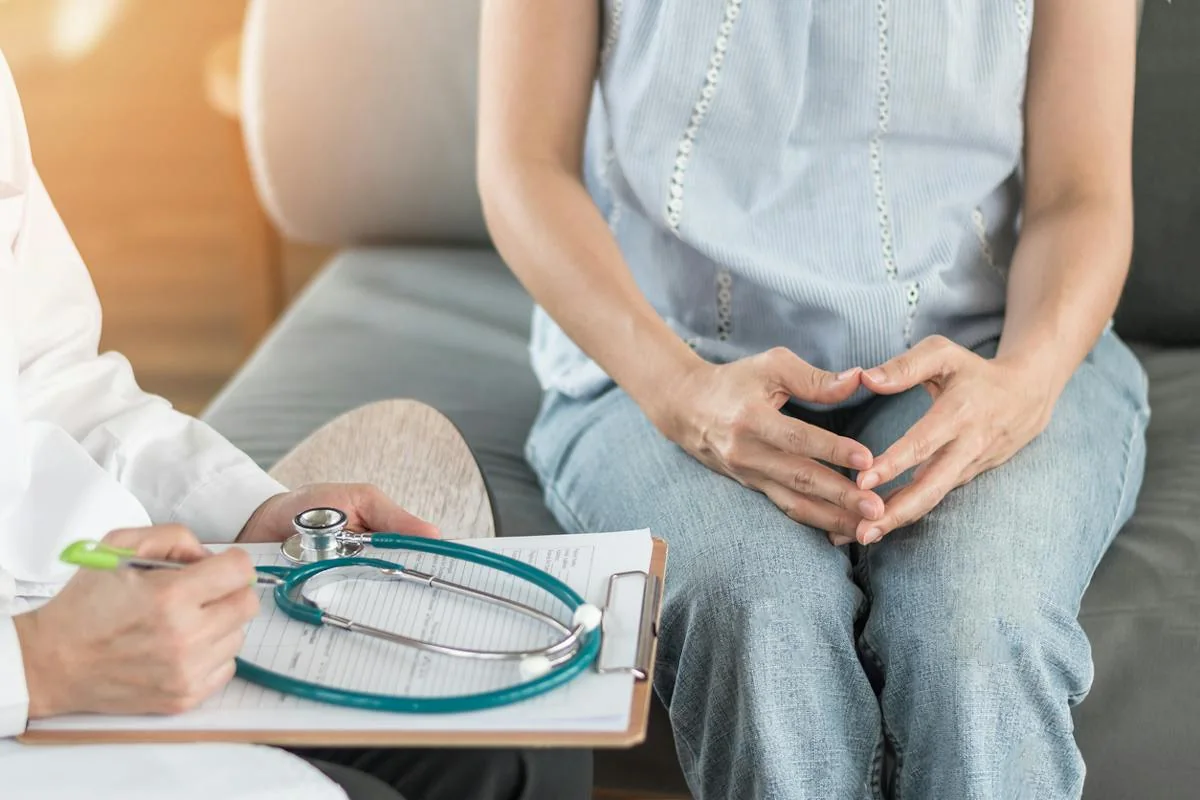
A calendar may reveal what a pain score alone misses. Bowel discomfort, painful sex, or exhaustion can worsen around the same point in a menstrual cycle. Endometriosis symptoms beyond cramps deserve attention because the condition can affect more than the first day of a period.
No symptom pattern proves the diagnosis by itself. The useful step is to describe the timing and effect on life, then ask for an assessment that considers endometriosis alongside other possible causes.
Understand the condition without common myths
Endometriosis involves tissue similar to the uterine lining growing outside the uterus, where it can contribute to inflammation and pain. Symptoms vary, and their severity does not reliably show how much disease is present. Some people have significant pain, while others discover the condition during fertility assessment or other care.
Pelvic pain can occur around periods, between them, or during certain activities. Endometriosis is one possible cause. But bladder, bowel, muscle, and other gynecologic conditions can produce overlapping symptoms.
The condition is not explained simply by a low pain tolerance or by failing to manage stress. Nor does severe pain always mean more extensive disease.
Avoid assuming a person's experience should match someone else's. A friend may have a different symptom pattern, treatment response, or fertility history while still having the same diagnosis.
Look for bowel, bladder, and sexual pain patterns
Pain with bowel movements, urinary discomfort, deep pain during sex, and symptoms that change with the cycle can be useful clues. They are not specific enough to diagnose endometriosis alone. Record when they happen, where the pain is felt, and how they affect eating, work, sleep, or sexual activity.
Bowel symptoms can resemble irritable bowel syndrome, and both conditions may coexist. Mention rectal bleeding, persistent bowel changes, or weight loss rather than attributing everything to the menstrual cycle.
Painful sex deserves assessment even if it has been present for years. Explain whether the pain is at entry, deeper inside, during a particular movement, or afterward.
If urinary symptoms occur, infection and other causes may need testing. A cyclic pattern is helpful details. But it should not prevent evaluation of a new symptom that needs separate attention.
Bring evidence of impact to the appointment
A concise symptom record can show timing, severity, missed activities, and what treatments have helped or failed. Include menstrual changes, bowel or bladder symptoms, and fertility concerns when relevant. The effect on daily life is a valid reason to request assessment.
You do not need months of perfect tracking before seeking help.
Instead of only saying cramps are bad, describe the consequence: missing school, waking at night, avoiding meals before travel, or being unable to stand comfortably at work.
List pain medicines and how often you use them, including whether they help. Mention family history and previous scans or surgery.
If a conversation ends without a clear plan, ask what diagnoses are being considered, what the next step is, and when you should return if symptoms continue. A planned review is more useful than being told to wait indefinitely.
Know that diagnosis may take several steps
Endometriosis diagnosis can involve symptom history, examination, imaging, and sometimes surgery, depending on the clinical situation. A normal ultrasound does not exclude every form of the disease. Current care may begin based on a clinical assessment without requiring everyone to have surgery first.
Ask what each proposed test can and cannot establish.
An ultrasound may identify some ovarian or deeper disease, while smaller superficial areas may be harder to see. Imaging quality and the specific question being investigated matter.
Endometriosis diagnosis should also consider alternatives and conditions that coexist. The goal is not to force all symptoms into one explanation.
If you are trying to conceive, say so early because it affects decisions about testing and treatment. You can also discuss whether a specialist referral would be useful based on symptoms, imaging, previous treatment, and your goals.
Choose care around symptoms and personal goals
Treatment options can include pain management, hormonal treatment, surgery, and support for related pelvic floor or bowel problems. No single approach suits everyone, and improvement may require reviewing the plan rather than expecting one intervention to solve every symptom permanently.
The choice depends on symptoms, fertility plans, medical history, and preferences.
Ask what benefit is expected, what side effects are possible, and when to judge the response. A treatment that prevents pregnancy may not fit a current fertility goal.
Support for sleep, daily function, and pain coping can sit alongside medical care. It should not be presented as proof that the disease is psychological.
Seek urgent care for sudden severe pelvic pain, fainting, fever, or pain with a possible pregnancy. Even with known endometriosis, a new severe symptom may have another cause. A diagnosis should guide care without becoming a reason to overlook change.
Frequently Asked Questions
Endometriosis can affect several aspects of life, and symptom patterns vary. Track the changes that matter to you, especially their timing and effect on daily activities. Ask for a follow up plan if symptoms persist despite an initial treatment or a reassuring test.
These answers address common diagnostic questions without replacing an assessment.
Can a normal ultrasound rule it out?
No, ultrasound does not detect every form of endometriosis. A doctor interprets imaging alongside symptoms and other findings.
Does endometriosis always cause infertility?
No, many people with endometriosis can become pregnant. Fertility concerns should still be discussed early so the plan reflects your goals.
Must I have surgery before treatment?
Not everyone needs surgery before starting care. Clinical assessment can guide initial treatment, while surgery may be appropriate in particular circumstances.
Explore more in Women’s Health.
Updated