The first ride can go wrong before you turn a pedal. A saddle set too high, a loose helmet, or a route full of fast traffic can turn a hopeful outing into a tense one.
Cycling for beginners starts with a setup that lets you relax. The goal is to finish with enough comfort and confidence to want another ride, not to match the distance on someone else’s fitness app.
Make the bike fit the rider
Bike fit affects comfort, control, and how easily you can reach the brakes. Choose a bike you can handle and have its setup checked if you are unsure. A comfortable position should not force you to stretch for the bars, rock your hips, or lock your knees while pedaling.
Stand beside the bike before you buy or borrow it. Can you move it safely? Can you get on and off without feeling trapped?
A local bike shop or trained fitter can help with saddle height and reach. Online formulas cannot account for every body, injury, or bike style.
Check tires, brakes, and the chain before setting out. A bike that sat in a garage for years may need service, even if it looks clean.
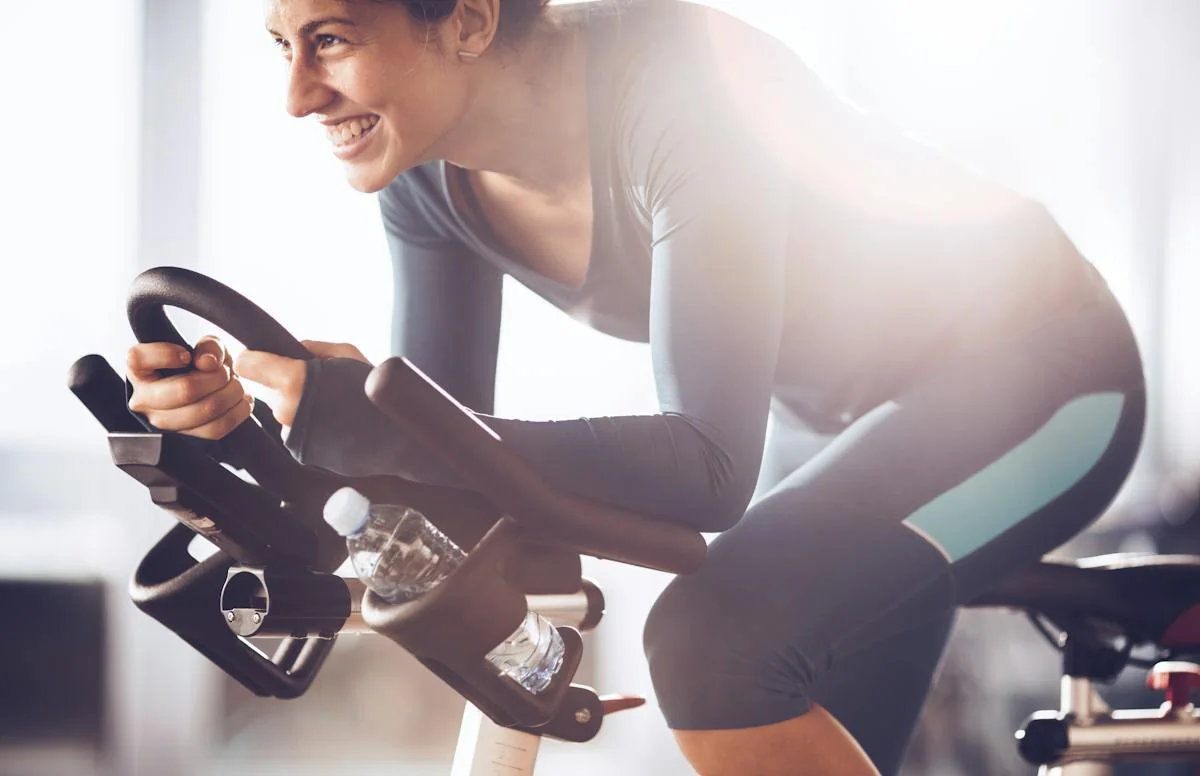
For a stationary bike, adjust the seat and resistance before the session starts. You still need a stable setup and an easy way to stop. Low impact exercise should feel manageable; the phrase does not mean that any position is safe for every joint.
Choose a route that leaves room to learn
A quiet, flat place helps you practice starting, braking, looking around, and turning without too many demands at once. Check local rules for paths and roads. Plan a short route close to home, and avoid steep hills, rough surfaces, poor light, or traffic that exceeds your current confidence level.
Practice braking before you need to stop fast. Learn how your bike responds at low speed. Try turns in a space where mistakes will not put you in moving traffic.
Helmet fit matters. Use a suitable helmet that sits level and secure, with straps adjusted as directed. It should not slide around when you move your head.
Cycling safety also includes being seen. Follow road rules, use lights when required, and avoid phone use or headphones that block important sounds.
If road riding feels stressful, a stationary bike may be a good place to begin. Browse our Fitness & Movement section for more ways to find movement you enjoy.
Keep the first rides easy enough to repeat
Start with a short ride at an easy cycling pace, where you can speak without strain. Use a light gear or low resistance and take breaks before you feel spent. Build time slowly as comfort improves, and leave speed, steep hills, and hard intervals for a later stage if desired.
You might plan a brief loop rather than ride until you are tired and then realize you still need to get home. An early turn back can be a smart choice.
Let the first few minutes feel gentle. There is no prize for forcing a heavy gear while your legs are cold.
If you ride with a friend, agree that the slower pace sets the session. Choose a clear place to stop, rather than trying to talk through busy junctions.
Keep water handy for longer or hotter outings. Dress for the weather and avoid loose clothing near moving parts. Small details can make a short ride feel much more comfortable and easier to repeat.
Take discomfort seriously and adjust the plan
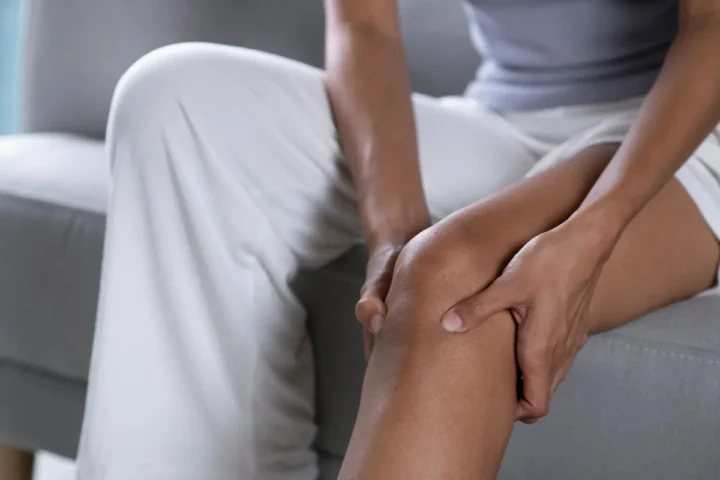
Some new muscle effort is expected, but sharp pain, numbness, or symptoms that last need attention; stop and check the setup rather than riding through them. Chest pain, fainting, or severe breathing trouble needs urgent medical care. Existing health conditions may call for advice before starting or increasing your rides.
Hand tingling may prompt a look at your grip and reach. Knee pain may need a review of the seat, resistance, and your health history. There is no single fix for every rider.
Do not accept numbness in the groin as a normal price of cycling. Stop, change the plan, and seek advice if it lasts or returns.
Track comfort alongside time. A ten minute ride that feels steady can be a useful step forward. You can add distance once the basics feel natural.
If you prefer movement you can fit into a building, see stair climbing for beginners. A varied week can make it easier to stay active without asking one activity to meet every need.
Frequently Asked Questions
Beginners often need useful answers about bike type, ride length, and comfort more than a tough training plan. These answers offer a starting point, while leaving room for your body and local setting. Ask for personal guidance when pain, balance issues, or a medical condition makes the next step unclear.
Is a stationary bike useful for a beginner?
Yes, it can offer a controlled place to practice at low resistance. Adjust it to your body and learn how to stop before starting.
How long should my first ride be?
Keep it short enough to finish comfortably and get home safely. Your starting point may be only a few minutes, with time added as you feel ready.
Should I keep riding through saddle numbness?
No. Stop and review the fit and seat, and seek medical advice if numbness lasts or comes back. Comfort problems deserve attention before they become a repeated pattern.
Sources and further reading: Santé Magazine — topic and image source, Medical reference 1.
For general information. This article does not replace personal medical care.